The Floor
Army Creates FASCOM to Expand Autonomy Across at Least Six Formation Areas
An Army directive establishes the Futures and Autonomous Systems Command and calls for integrating autonomous capabilities into at least six formation areas. It also directs the Army to prioritize acquisition and fielding of listed autonomous capabilities no later than fiscal year 2028.
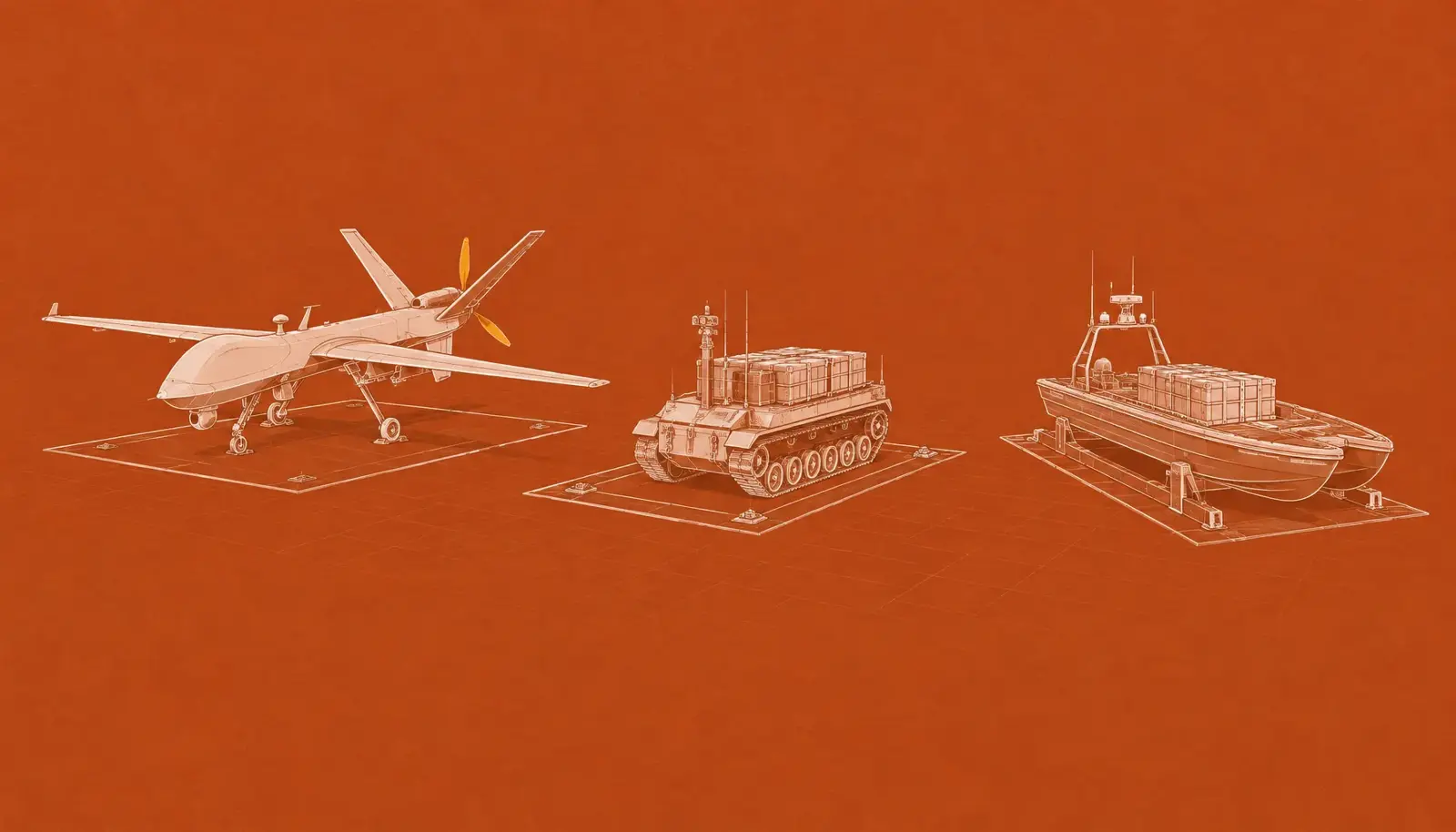
At least six formation areas, one fiscal 2028 target
The U.S. Army’s autonomy directive calls for integrating autonomous capabilities into at least six formation areas and prioritizing acquisition and fielding no later than fiscal 2028. Acting Secretary of the Army Adam R. Telle signed the memorandum on October 1; the Army announced it the following day. The order establishes the U.S. Army Futures and Autonomous Systems Command, or FASCOM, while directing changes to force structure, acquisition and personnel.
The areas named are aviation, armor, fires, sustainment, engineer and training formations. The Army says the changes are intended to move autonomous technology into Soldiers’ hands and make autonomy part of how the service organizes, equips and trains its units. The memo also directs the Army to designate a Portfolio Acquisition Executive for Autonomy.
Autonomous fires, breaching and resupply on the list
No later than fiscal 2028, the Army aims to prioritize acquisition and fielding of autonomous fires, combat vehicles, watercraft resupply, breaching, reconnaissance, surveillance and target-acquisition capabilities. The directive also calls for collaborative teaming between crewed and uncrewed platforms. It does not identify particular products, quantities or unit-level delivery schedules for those systems.
The priorities reach beyond aircraft and ground vehicles. Watercraft resupply and breaching appear alongside fires and reconnaissance, placing logistics and engineering tasks within the same autonomy effort. The Army’s announcement does not spell out how the command will weigh these missions against one another or which formations will receive systems first.
Telle links the command to acquisition and personnel changes
“The Army is rapidly advancing to maintain our lethal edge.” — Adam R. Telle, acting secretary of the Army
Telle described FASCOM as part of an effort to get technology to Soldiers and make autonomy a priority in formations, acquisition and training. The Army’s announcement ties the order to Secretary of War Pete Hegseth’s September 30 State of the Force address, where he called for an Autonomous Warfare Command and changes to military organizations, purchasing approaches and career fields.
The directive also calls for expanded authorizations for two specialties across applicable units: 15X Tactical Unmanned Aircraft Systems Specialists and 390A Robotics Technicians. That expansion would put more trained autonomy personnel closer to tactical formations, according to the Army. The announcement gives no target number for either specialty.
FASCOM builds on an existing autonomy office
The Army says the new command’s effort builds on work already under way, including its activation earlier in 2026 of the Portfolio Management Executive for Mission Autonomy. That office was created to integrate autonomous technologies across multiple Army portfolios; the October directive adds a command-level organization alongside acquisition and personnel measures. The announcement does not detail FASCOM’s headquarters, leadership, staffing, budget or a separate date for the command to reach full operating status.
The directive describes both a new organization and a set of priorities, but does not say the command’s creation itself will deliver the listed systems. Its clearest near-term measure is the fiscal 2028 target for prioritizing acquisition and fielding across the named capabilities. The Army has not provided a system-by-system schedule in the announcement.
Sources
- Original source · Government or agency page The United States Army army.mil