The Floor
inDrive, Pony.ai Target 2027 Robotaxi Tests in Astana
inDrive, Pony.ai and NVIDIA signed an agreement to assess robotaxi service in Kazakhstan, with Astana as the proposed first market. Testing is expected to start in the first half of 2027, initially with a safety operator, according to inDrive’s CTO.
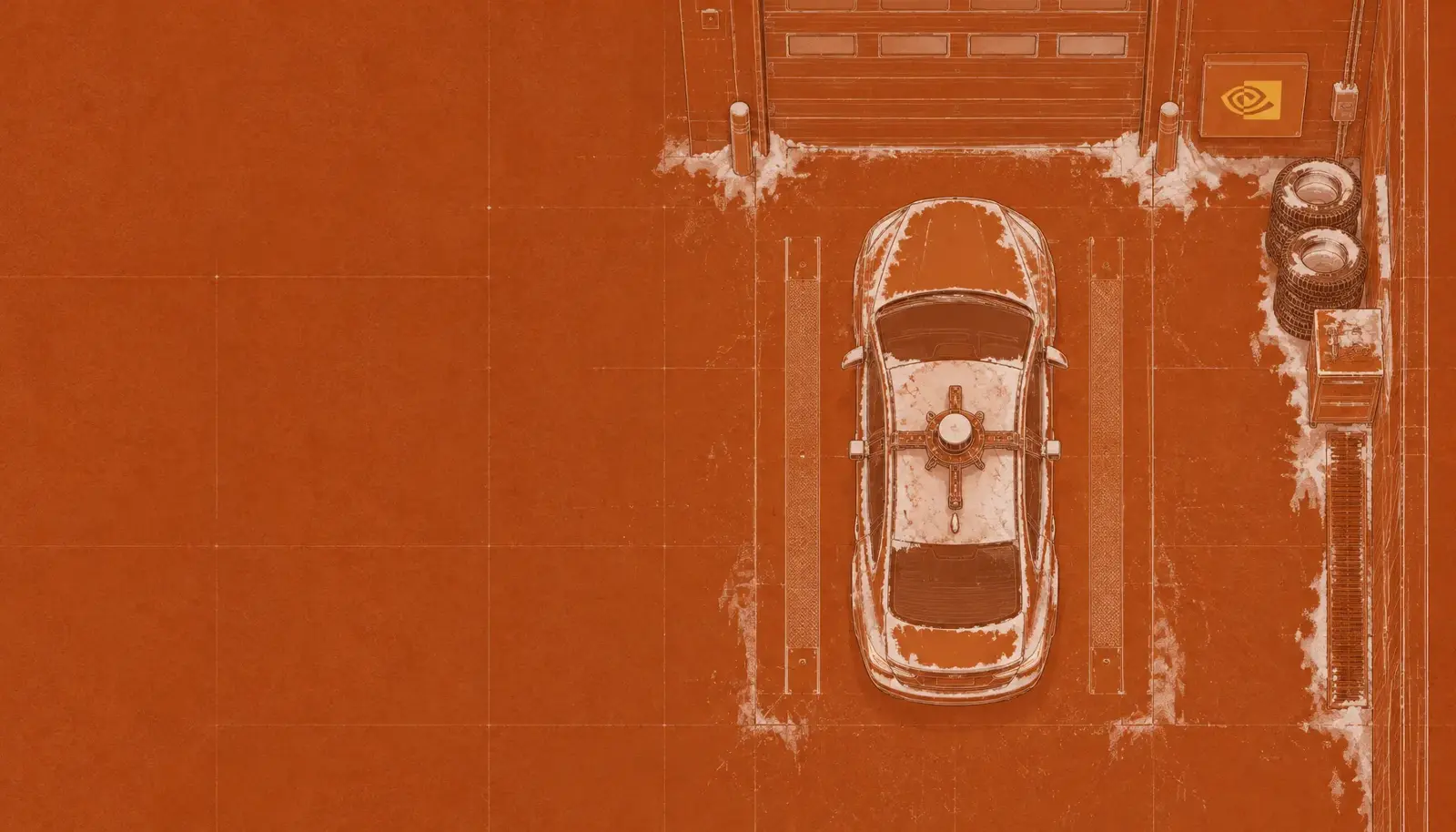
Astana’s tests are pencilled in for 2027
Robotaxi testing in Astana is expected to start in the first half of 2027, with a safety operator initially riding in the vehicle, inDrive chief technology officer Yuri Misnik told TechCrunch. The timeline gives a more specific target than the companies’ October 23 announcement, which describes a plan to assess the feasibility of autonomous ride-hailing rather than a confirmed service launch.
inDrive, Pony.ai and NVIDIA say their memorandum of understanding covers technical, operational, regulatory and commercial evaluation of Level 4-ready vehicles offered through the inDrive app. Pony.ai would supply its seventh-generation, or Gen-7, robotaxis; inDrive would provide the ride-hailing platform and run the service; NVIDIA would support the project with AI infrastructure. The companies have not announced a fleet size, fares or a date when passengers could book rides.
Winter driving is part of the test
Astana, Kazakhstan’s capital, has about 1.7 million residents. inDrive says the city’s long winters, snow and ice make it a useful place to evaluate autonomous driving in difficult conditions. The company’s founder and CEO, Arsen Tomsky, said the partnership is intended to determine how the technology could fit local roads and communities, and what it could mean for riders and drivers.
“Launching here will provide an important opportunity to evaluate autonomous driving technology in challenging winter conditions.”
Arsen Tomsky, founder and CEO of inDrive, in the company’s announcement
The first planned location puts the companies’ proposal in a city where vehicles will need to contend with snow and ice as well as ordinary urban traffic. The announcement does not detail how the partners will assess performance in winter weather or describe any operating limits for the proposed service.
Three partners, three separate roles
Pony.ai’s Gen-7 vehicles are the proposed robotaxi hardware. inDrive would handle the app and local operation, while NVIDIA would contribute AI infrastructure. The announcement identifies NVIDIA Hyperion as a sensor-and-compute reference platform for Level 4 vehicles and robotaxis, and names the Halos safety system as part of the project’s technology base.
Those descriptions set out the intended division of work, not a demonstration that the companies have completed integration or received approval to carry passengers. inDrive says any launch would follow an agreement with Kazakhstan’s government. The memorandum therefore starts a feasibility effort; it does not establish that driverless rides are approved or available.
Government approval remains a condition
inDrive says Kazakhstan was selected after the country created what it describes as its first structured legal framework for driverless transport. TechCrunch separately reported that Kazakhstan had introduced rules for autonomous vehicles to be tested on certain public roads. The companies have not specified what permits the Astana project will need or when they expect to secure them.
After a possible initial launch in Astana, the partners say they would assess whether to extend the approach to other Kazakh cities or markets where inDrive operates. For now, the concrete next steps are a feasibility assessment and the government agreement that inDrive says must precede launch; the public announcement sets no confirmed start date for passenger service.
Sources
- Original source · Blog post inDrive blog.indrive.com
Other pages read
- TechCrunch techcrunch.com