The Floor
Lightberry’s Lumi Wins Conditional FCC Covered List Exemption
Lightberry announced that its Lumi humanoid robot received Department of War conditional approval and an exemption from the FCC Covered List on October 30, 2026. The company ties the approval to replacing key components and beginning U.S. manufacturing.
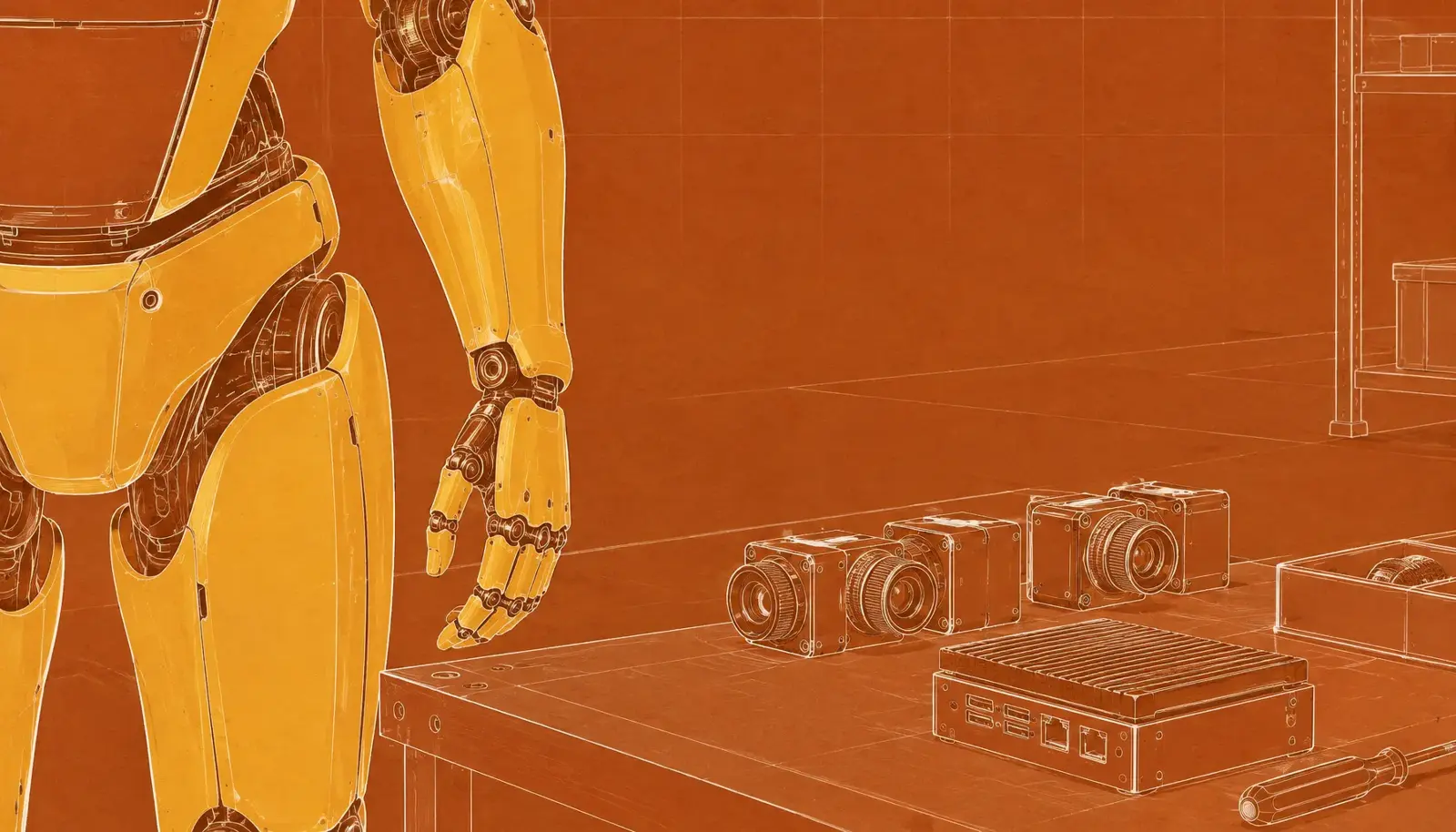
Lumi, Lightberry’s humanoid robot, is the first to receive a Department of War conditional approval that exempts it from the FCC Covered List, the company says. The San Francisco company announced the decision on October 30, 2026, saying the FCC’s Public Safety and Homeland Security Bureau exempted Lumi from the list following a national security review. The exemption addresses a hurdle for foreign-produced advanced robots seeking FCC authorization in the United States; it does not mean Lightberry has completed its manufacturing plan or begun deliveries.
What the Covered List exemption changes
On July 28, 2026, the FCC added foreign-produced advanced robotic devices to its Covered List, except for devices granted conditional approval by the Department of War. The list identifies equipment deemed an unacceptable national security risk. Devices covered by the restriction cannot obtain the FCC authorization needed for import, marketing or sale in the United States. Under the agency’s process, the Department of War can review devices and grant conditional approvals that exempt them from the list.
Lightberry describes itself as the only humanoid robot company on the approved list so far. The announcement concerns the company’s Lumi line and its conditional status; it does not claim approval for every humanoid robot or every product made by Lightberry.
Two commitments underpin Lightberry’s case
Lightberry replaces Lumi’s sensors, onboard computer and software with its own components, which the company says gives it control over what runs on the robot, including the cameras and microphones it uses around people. Its second commitment is U.S. manufacturing, which will begin with Lumi’s body, head and hands. The approval is tied to that plan and ongoing vetting.
“A humanoid robot works right next to people, with cameras and microphones, so you need to know exactly what's running inside it,” said Ali Attar, co-founder and CEO of Lightberry. “That's why we replaced every sensor and all of the software on Lumi, and why we're investing in American manufacturing. This approval confirms that approach, and it means Lumi robots are cleared to go to work across the country.”
Attar’s statement links the company’s hardware and software changes with its manufacturing investment. U.S. production will start with the body, head and hands, with the rest of the robot to follow. The company’s announcement does not say that all of Lumi is already made in the United States.
A public-facing robot, not an industrial platform
Lightberry markets Lumi for interaction tasks: holding conversations, guiding visitors, telling stories, entertaining groups, taking photos and looking up information. The company sells directly to businesses, including customers without an in-house robotics team. The robot is also used by deployment firms and university research groups. Lumi is 4 feet 2 inches tall and compatible with the Unitree G1 platform.
The company lists its Founder Edition at $39,990, with shipments planned for 2026 and reservations open. Lightberry’s announcement gives no deployment totals or delivery schedule beyond that year. Its stated U.S. manufacturing plan begins with the robot’s body, head and hands, with other parts to follow.
Sources
- Original source · Press release Lightberry lightberry.com
Other pages read
Related stories
- FCC Updates Covered List After Conditional Approvals for Haystack, T-Robotics
- Matic Wins Conditional FCC Exemption for Two Robot Models
- Researchers Urge a 10-Year U.S. Robotics Supply-Chain Plan
- South Korea Plans About 1,700 Public-Sector AI Robots for 2027
- FCC Opens 50 MHz of 800 MHz Spectrum to Drones