The Floor
Lute raises $20 million for touch-based robot models
Lute raised $20 million across seed and pre-seed funding to develop robot foundation models using tactile input. The company also introduced Lute-0, a video-action model it tested on retail pick-and-place tasks.
Lute has raised $20 million across seed and pre-seed funding to develop robot foundation models that use touch as well as vision. The company also introduced its first video-action model, Lute-0, in a post detailing the funding and its work on retail and logistics tasks.
OTB Ventures and FORWARD.one co-led the seed round. Credo Ventures and Seedcamp led the pre-seed round, with participation from Inovo VC, Borusan Ventures, ff Venture Capital and Naval Ravikant.
Collecting touch data
Lute started in January 2026 and is building a family of foundation models based on tactile input. Its stated areas of work include retail stores, warehouses and third-party logistics.
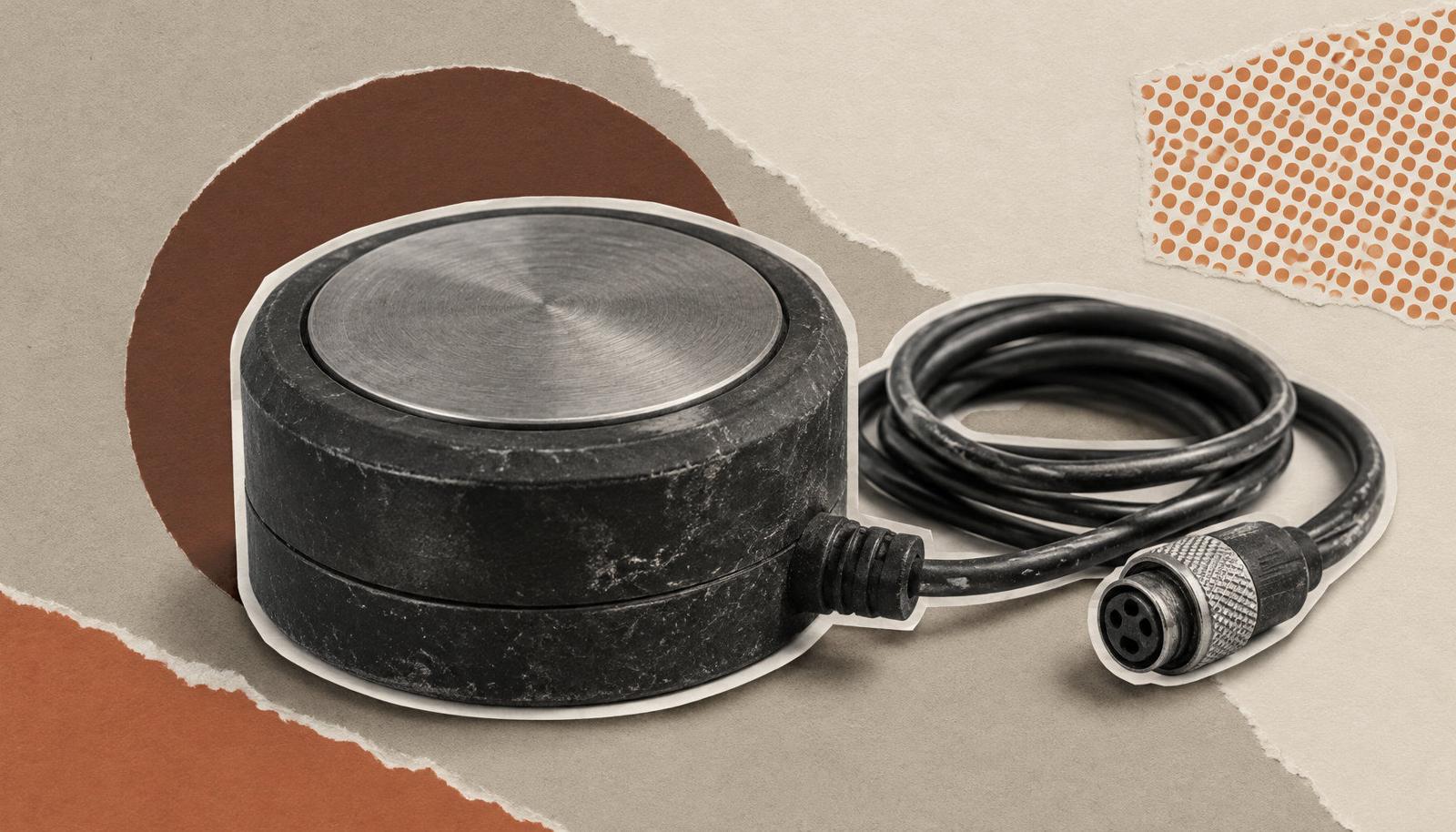
With partners, Lute co-designed compact, elastomer-based tactile sensors and built them into a custom portable data-collection setup. The company says the setup can collect touch data at scale in any environment.
The company argues that touch supplies information that vision alone does not, including how firmly an item is held, whether it is beginning to slip and how soft or fragile it is. Its post shows the output of a sensor during a grasp, including the location of contact, the load and pressure over time.
Model and retail tests
Lute-0 is the company's first video-action model and the first in the family it is training on touch as well as vision. A diagram published by Lute shows wrist-camera views, an instruction and touch entering a video model and an action model, which output eight future frames and the next 32 steps of robot motion.
The company said Lute-0 was pre-trained on far less data than the open-source robot model π0.5 and had a much faster training time. On a set of retail tasks, Lute said its model performed on par with or better than π0.5, with 2x better latency.
In Lute's internal evaluation of retail pick-and-place tasks, the published success rates for Lute-0 and π0.5 were respectively 82% and 72% for fruit, and 50% and 18% for drinks. For deformable snacks, the respective rates were 98% and 70%; for deformable packs, they were 70% and 62%. Vegetable manipulation results were 76% and 22%.
Customer work and funding plans
Lute says its models already work at what it describes as Europe's largest automotive parts distributor, 10 months after the company started. It also says it is working with some of the world's largest retailers to put robots at their sites.
The company is partnering with integrators to bring its technology to hardware those integrators already install for clients, starting with health care and manufacturing. Lute says autonomy handles work on site whenever possible, with monitoring and remote human support stepping in when a robot needs help.
Edge cases, failures and interventions feed back into training, according to the company. Lute plans to use the funding to expand data acquisition, train and improve its models, and deploy with more customers. It is hiring across research, engineering and deployment in Warsaw and San Mateo.
Sources
- Original source Lute “Lute raised $20M to put intelligence to work” lute.one