The Floor
NHTSA Proposes Optional Cyan Lamps for Driverless Vehicles
NHTSA proposes optional, standardized cyan marker lamps for vehicles operated by automated driving systems, alongside changes to lighting rules for vehicles without manual controls. The proposal also revises headlamp testing and mounting requirements, and opens a 30-day comment period after Federal Register publication.
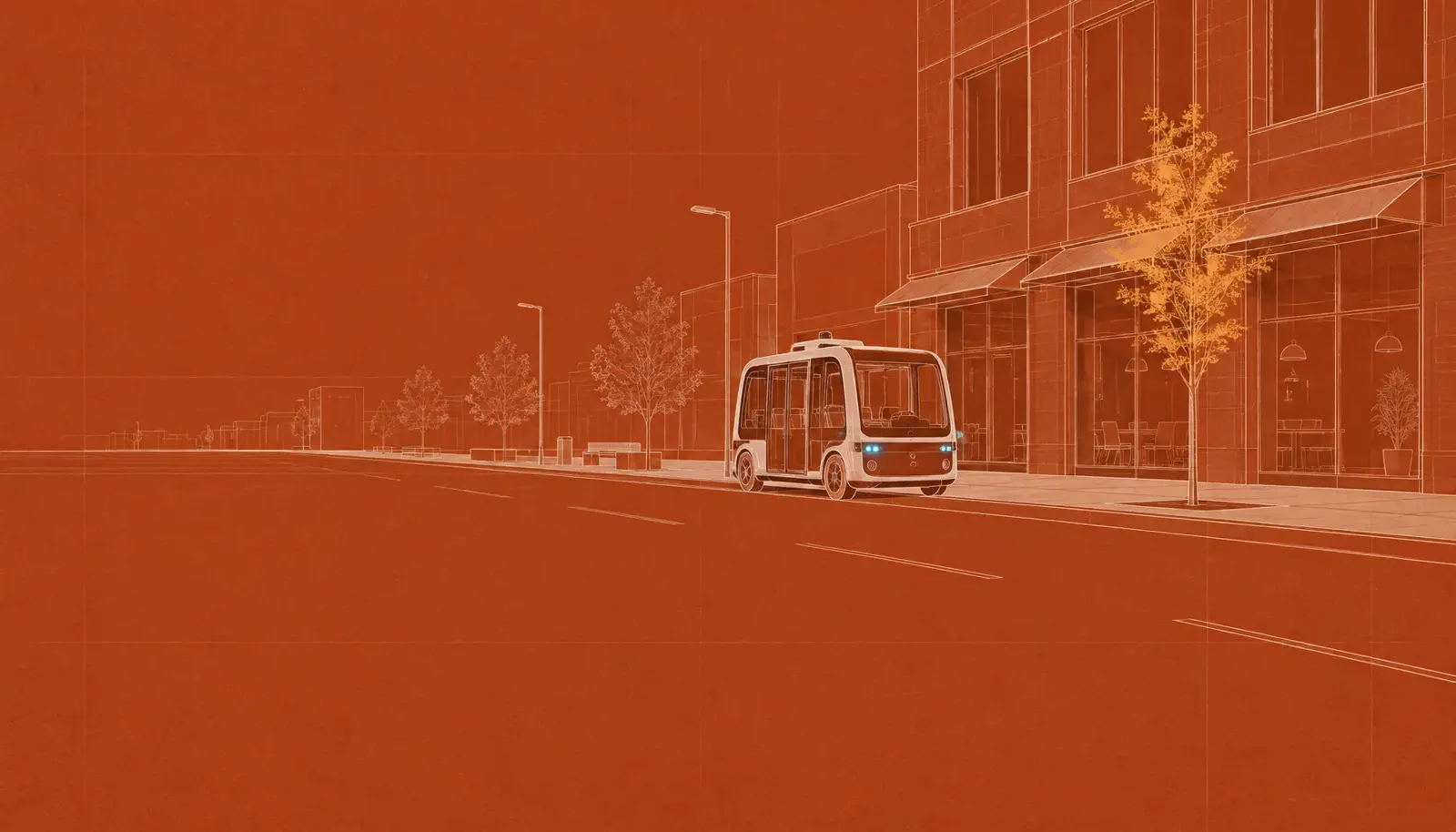
NHTSA proposed changes to federal vehicle-lighting rules on October 23, including standardized cyan lamps that could signal when an automated driving system is operating a vehicle. The proposal would make those lamps optional, not mandatory, while setting requirements for their color, placement, brightness and operation. It also seeks to ease rules written around human-operated controls for vehicles designed without them.
A cyan signal, if a manufacturer chooses it
The National Highway Traffic Safety Administration’s proposed update to Federal Motor Vehicle Safety Standard No. 108 would allow one or two steady-burning cyan lamps at the front, rear and each side of an equipped vehicle. At least one lamp would be visible from each direction, with mounting no lower than 15 inches. The lamps would switch on when the vehicle operates without the expectation that an occupant is monitoring the road, and switch off when that expectation returns.
A distinct color could help road users and law enforcement identify when the automated driving system is in control, NHTSA says. The agency proposes cyan, a blue-green hue defined in SAE standards, rather than colors already assigned to required vehicle lights. Cyan also differs, the agency says, from the blue used by law enforcement; the proposed lamps would have specified intensity limits and burn steadily.
The proposal draws on SAE International’s J3134 marker-lamp standard, but does not adopt every provision. NHTSA proposes limits intended to prevent the new lights from obscuring or interfering with required lamps, and seeks comment on aspects including whether markers should ever flash to communicate a vehicle’s intended movement. The agency says it lacks enough information to conclude that every ADS-equipped vehicle needs such a signal, and therefore proposes an “if equipped” requirement.
Controls still matter, even without a driver
The rule would narrow certain manual-control requirements to vehicles with manually operated driving controls. For vehicles built to operate exclusively through an automated driving system, NHTSA proposes removing requirements tied to a driver’s hand or foot switching headlamp beams, manually canceling turn signals, or using steering-wheel rotation to cancel them. The proposal still expects the vehicle to carry required lamps and for the ADS to activate them in line with traffic rules.
“As automotive technology continues to evolve, our safety standards must keep pace with innovation in ways that do not compromise public safety,” NHTSA Administrator Jonathan Morrison said.
Other proposed changes address headlamp design and testing. NHTSA would remove the prescribed vertical ordering of upper and lower beams when headlamps are arranged vertically, while leaving their height limits unchanged. For integral-beam headlamps, it proposes replacing the fixed 12.8-volt test requirement with testing at design voltages; replaceable-bulb and sealed-beam headlamps would remain subject to the 12.8-volt requirement.
The agency acknowledges gaps in the safety case
NHTSA argues that common specifications could reduce confusion and keep supplemental marker lamps from compromising required lighting. But the agency also says it cannot estimate the potential safety benefits or the number of vehicles the rule might affect. Its proposal does not establish that cyan markers improve safety; it would permit them under a common federal standard and leave manufacturers free not to install them.
The notice was scheduled for Federal Register publication on October 26. The public comment period will run for 30 days after publication, under docket NHTSA-2026-1519. Until the agency considers comments and issues a final rule, the cyan markers and the other revisions remain proposals.
Sources
- Original source · Government or agency page National Highway Traffic Safety Administration nhtsa.gov
Other pages read
- Federal Register (public inspection) public-inspection.federalregister.gov