The Floor
rclnodejs 2.3.0 Brings ROS 2 Actions to Browser Clients
RobotWebTools released rclnodejs 2.3.0 on October 13, 2026, adding ROS 2 action goals, feedback and results over WebSocket and HTTP/SSE. The release also adds action schemas to OpenAPI output and documents limits on cancellation and disconnect behavior.
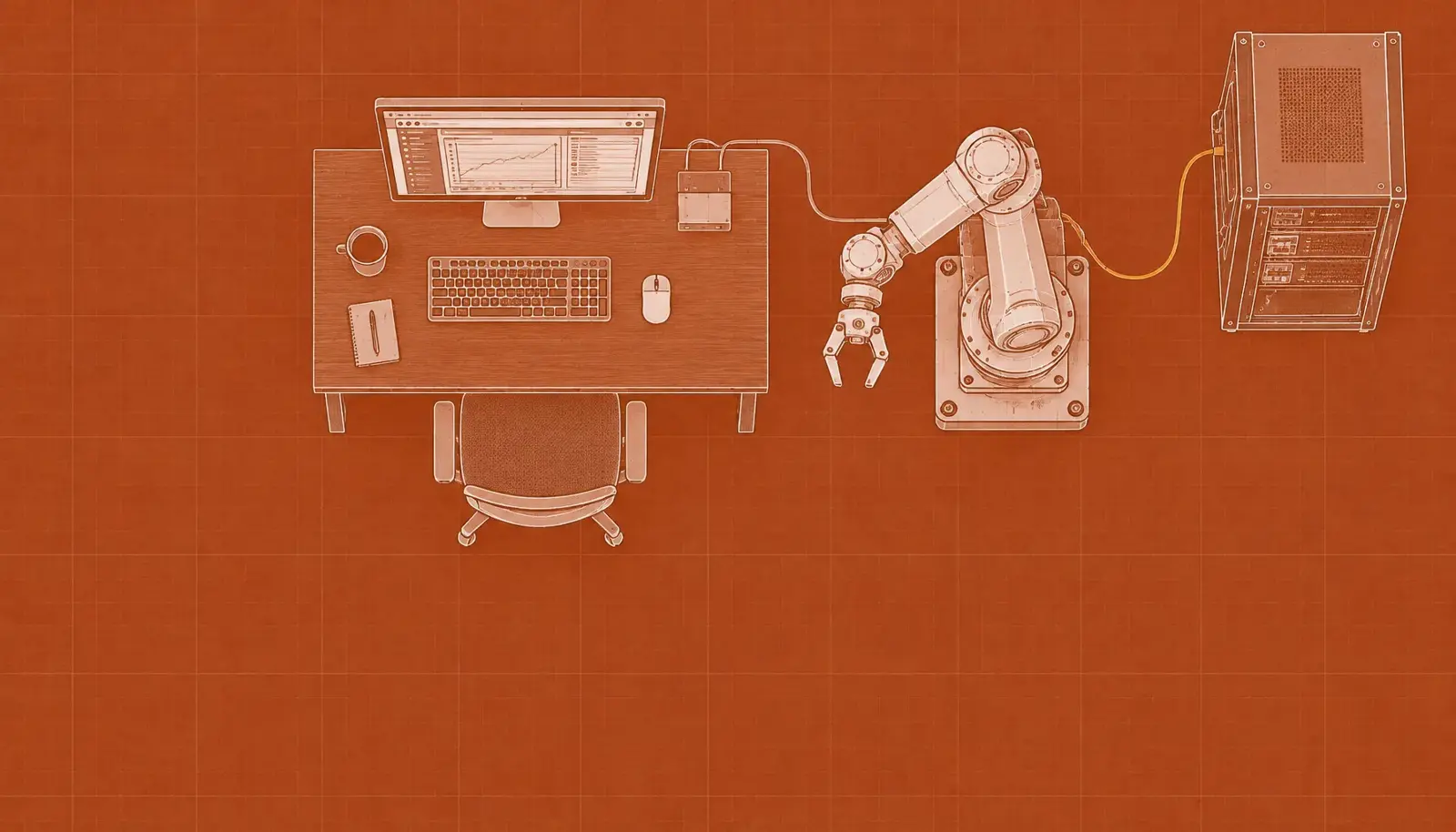
At port 9001, a browser client can send an order-5 Fibonacci goal to a ROS 2 action server, receive feedback and retrieve the result using rclnodejs 2.3.0. RobotWebTools released the Node.js client library update on October 13, adding action support to its web SDK over WebSocket and HTTP with Server-Sent Events (SSE).
The release brings browser clients beyond publishing and subscribing to topics and calling services, capabilities already in earlier versions. The new action interface lets a web application follow a goal through feedback to its result, while the ROS-side runtime handles the action. The announcement describes the flow simply: “Send a goal, follow the feedback, get the result.” minggangw, rclnodejs 2.3.0 announcement
One action API, two web transports
The release supports sending action goals and receiving feedback and results over either WebSocket or HTTP/SSE. In the documented HTTP example, a client imports connect from rclnodejs/web, connects to a runtime at http://localhost:9001, then calls ros.action('/fibonacci', { order: 5 },...). A feedback callback reads the sequence as the action runs; the client then awaits the result and checks the goal status.
For HTTP, action requests use POST and stream events through fetch and SSE. Clients configured with explicit HTTP and WebSocket endpoints use WebSocket for actions. The SDK derives TypeScript goal, feedback and result types from generated ROS declarations, and the release adds action schemas to the project’s OpenAPI export.
Cancellation and disconnects have limits
Action cancellation is available over WebSocket, but the server may reject a cancellation request. HTTP action cancellation is not supported. Those distinctions matter for interfaces that offer a stop button: the transport determines whether the client can even request cancellation, and a request does not guarantee that the server accepts it.
Disconnecting a client does not cancel its ROS goal, according to the release notes. They also warn developers to inspect goal.status even when goal.result resolves; request or stream errors reject, and reconnecting does not resubmit goals. The notes distinguish HTTP actions from direct HTTP topic subscriptions: topic SSE needs to be enabled, while HTTP actions do not.
The capability allow-list still governs access
Action support uses the same capability allow-list as the existing web operations, rather than exposing every ROS interface by default. The release’s capability table lists topic publishing, topic subscriptions, service calls and action goals, feedback and results, with each operation’s available transport. For action goals, the table shows WebSocket and HTTP POST plus SSE; for cancellation, it shows WebSocket only, with possible server rejection.
That gives developers a browser-facing path for long-running ROS 2 tasks without making the browser itself a ROS node. But application behavior still depends on the configured runtime permissions, transport, server response and whether the client remains connected long enough to receive updates. The release makes those boundaries explicit: browser disconnection leaves the ROS goal running, and HTTP clients have no cancellation route.
Sources
- Original source · Release notes RobotWebTools on GitHub github.com
Other pages read
- Open Robotics Discourse discourse.openrobotics.org