The Floor
Syncere Raises $11 Million to Scale LUME Home Robot
Syncere has raised $11 million in pre-seed funding to expand production and deliver more LUME home robots. The Palo Alto company’s first product combines a floor lamp with a mobile robotic system designed to learn from use in real homes.
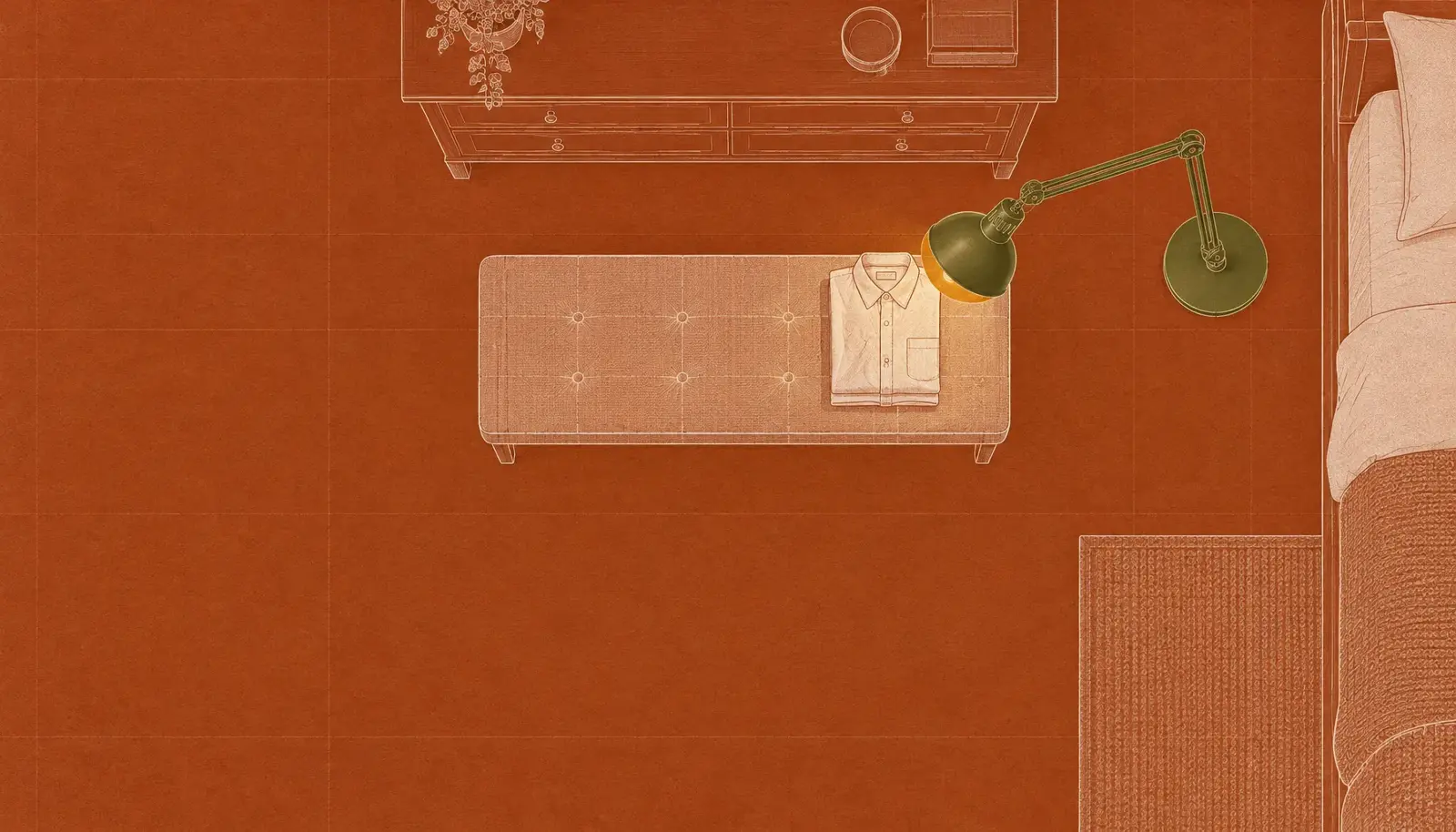
Syncere has raised $11 million in pre-seed funding to scale manufacturing, deliver more LUME units and improve the robot’s intelligence. The November 2026 announcement names a16z Speedrun as the lead investor, with Draper Associates, Physical World, SeaX Ventures, Sequel and other investors participating. It does not give a specific announcement day, disclose how many units have been sold or delivered, or provide a production schedule.
A floor lamp with a mobile robot inside
LUME is Syncere’s first product: a floor lamp that also functions as a home robot. The company describes it as a piece of furniture, with anodized aluminum, high-gloss finishes and lighting intended to complement a room. Inside the lamp is a robotic system that can move around the home. It can fold laundry, tidy up and help make a bed, Syncere says.
The company’s pitch is that the lamp gives people a reason to bring a robot home before the machine can perform household tasks with full autonomy. The product can provide value from the outset through its lighting and furniture design, while its robotic features improve over time, Syncere says. LUME costs 10 to 20 times less than humanoid alternatives, the company also says; the announcement does not provide a price breakdown or supporting comparison.
Learning through use in real homes
Syncere frames its approach as a response to a challenge in home robotics: robots need experience in real homes to become useful, but people may be reluctant to buy a robot that is not yet useful. Robotics developers commonly use simulation, human demonstrations and large-scale data collection before placing products in homes, the company says. Those methods matter, it says, but cannot fully reproduce the complexity of a household.
Instead, Syncere wants to deploy a product before general-purpose robotic intelligence is solved. LUME can learn from the environments where it operates, with software updates adding capabilities over time, the company says. It expects that real-world use will help its team develop more general-purpose robots without requiring hardware upgrades for each improvement. The announcement compares this strategy to Tesla’s approach to autonomous driving, where vehicles were sold before full self-driving was achieved.
Manufacturing and product development
The funding announcement describes manufacturing scale, wider customer delivery and improvements to LUME’s intelligence as the company’s priorities. It does not specify how much of the $11 million will go to each area, how many robots the company can currently make, or when deliveries will expand beyond any particular region.
LUME has generated millions of dollars in preorder demand, Syncere says, but it does not give a total or say how much has been collected. The product was named to TIME’s Best Inventions of 2026 and received a Fast Company Innovation by Design Award, the company also says. Those milestones and the financing accompany the company’s effort to put its first robot into homes and use its operation there to inform later software improvements.
The announcement presents LUME as both a home furnishing and a platform for developing robotics through use. Syncere’s stated next steps are to increase manufacturing, reach more customers and improve the technology inside the product. The company says substantial work remains, while arguing that an everyday object can make early home deployment possible before a robot can reliably take on a broad range of chores.
Sources
- Original source · Press release Syncere syncere.com
Other pages read
- Axios axios.com