The Floor
Tokio Marine to Insure AI Robots in Japan From November
Tokio Marine & Nichido Fire Insurance plans to begin selling coverage for physical AI robots in Japan in November 2026. The reported policy covers repairs, third-party losses and replacement equipment or personnel, with the company targeting about 1,000 insured robots by fiscal 2027.
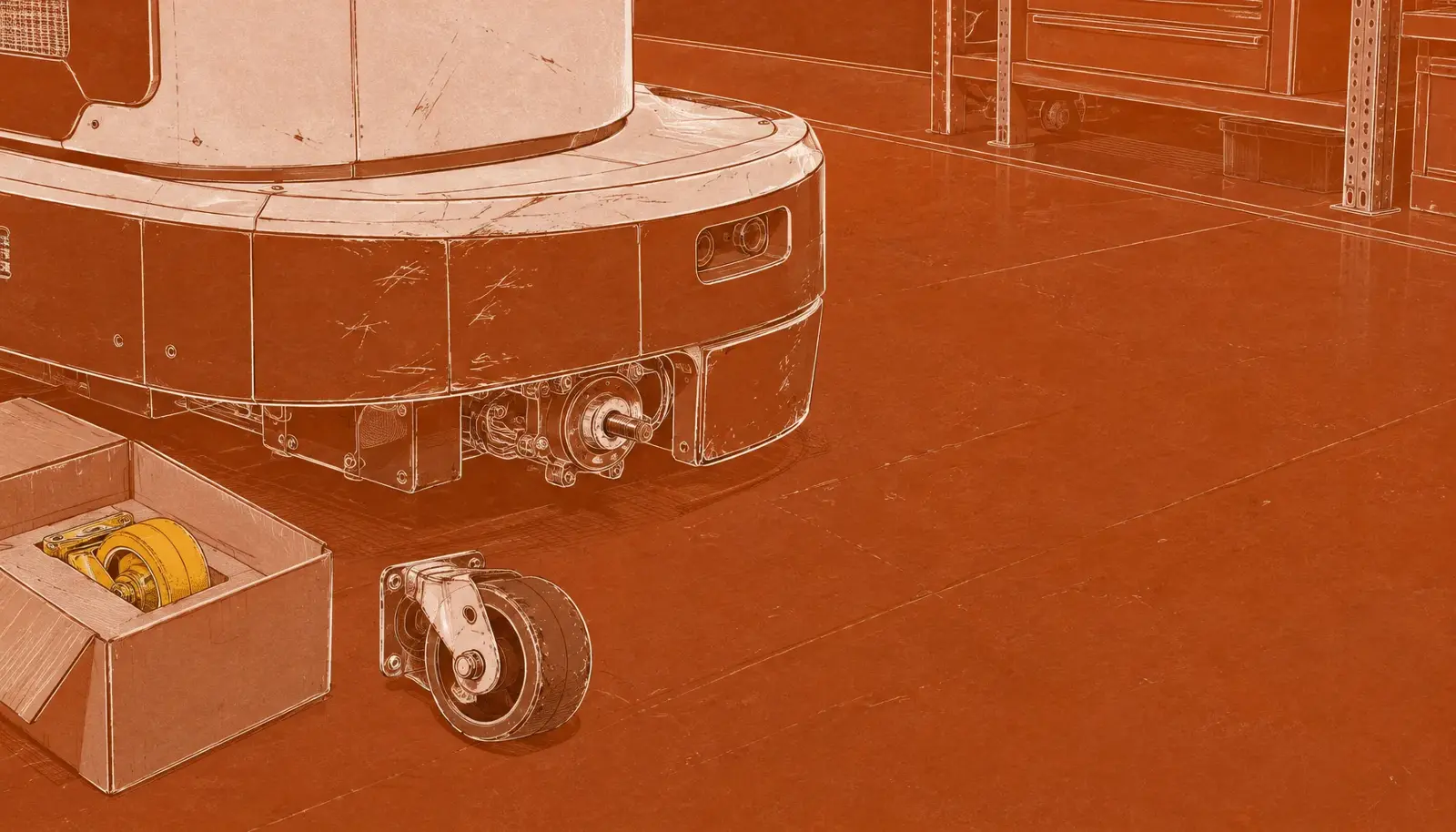
Tokio Marine & Nichido Fire Insurance plans to start selling insurance for physical AI robots in Japan in November 2026, with coverage extending beyond damage to the machine itself. A Knews report published Oct. 25, citing Nikkei Asia, says the policy will also address third-party losses and the cost of arranging a replacement robot or personnel after a failure.
Coverage reaches beyond repair bills
The policy is designed for robots and machines equipped with physical AI: systems that use information from cameras and sensors to assess their surroundings and act. Knews reports that the insurance will cover repair and replacement costs when disaster or an accident causes a breakdown. It also describes liability coverage for harm to people or property caused by a malfunction.
Arranging substitute equipment or people is another part of the reported offer. That provision addresses a practical problem for a business that depends on a robot to keep a task running: the cost of a failure may include both the damaged machine and a gap in operations. The report does not specify the policy’s exclusions, limits, eligibility rules or how the insurer will determine whether a failure qualifies for payment.
A higher premium reflects a wider operating range
Knews gives an example of a robot valued at 5 million yen, for which annual premiums are expected to reach several hundred thousand yen. It says that estimate is about 20% higher than premiums for existing robot insurance. The stated reason is that physical AI machines can move across a wider area than conventional industrial robots, exposing them to a broader range of potential incidents.
The premium figure is an estimate, not a published price schedule. The report does not identify a standard rate, deductible or coverage ceiling, so the example should not be read as a quote for every machine. It does, however, show how an insurer is pricing the difference between a robot operating in a defined industrial cell and one that can perceive and move through a less constrained environment.
Tokio Marine targets 1,000 insured robots
Tokio Marine aims to insure about 1,000 robots by fiscal 2027, according to Knews. The company is entering a category that could include machines used in factories, care facilities and retail shops—settings the report identifies as potential destinations for physical AI as Japan faces labor shortages. The article describes the insurer as the first nonlife insurer in Japan to offer coverage specifically for AI-enabled robots.
The market projections behind the move are forecasts, not a measure of current demand. Knews cites Acumen Research and Consulting’s estimate that the global physical AI market could reach $82.7 billion by 2035, about 16 times its 2025 size. It also reports Japan’s goal of deploying 10 million AI-equipped robots by 2040.
The reported offer leaves key policy terms open
The coverage details point to a shift in what robot insurance may need to address: not only the cost of a damaged machine, but also injury, property damage and disruption while a business finds a substitute. Those are distinct risks, and the report does not explain how the policy separates mechanical breakdown from an error in an AI system’s decisions. It also does not say whether software, cybersecurity incidents or losses tied to model behavior are covered.
For now, the concrete terms reported are the November sales start, the categories of loss the policy is expected to cover, the premium estimate for a 5 million-yen robot and the target of about 1,000 insured machines by fiscal 2027. The next test is how Tokio Marine defines a covered malfunction and prices machines whose movement—and exposure to people and property—extends beyond a fixed production station.
Sources
- Original source Nikkei nikkei.com
Related stories
- Ocado and AEON Open Second Automated Fulfilment Centre in Japan
- Waymo and Toyota Set 2027 Tests for Japan-Made bZ4X Fleet
- Formic Raises $50M to Expand Beyond Task-Specific Factory Robots
- Otto Group Plans 10 Sereact Robots, With 15 More Arms Conditional
- Wonik Robotics commits 100 billion won to Wanju production hub