The Floor
Faraday Future Prices Nova Humanoid at $2,490
Faraday Future and FF EAI Robotics Ecosystem launched the Nova developer humanoid at $2,490. Its first release is limited to 100 units and requires an invitation, while a separate Developer Skills Package costs $390.
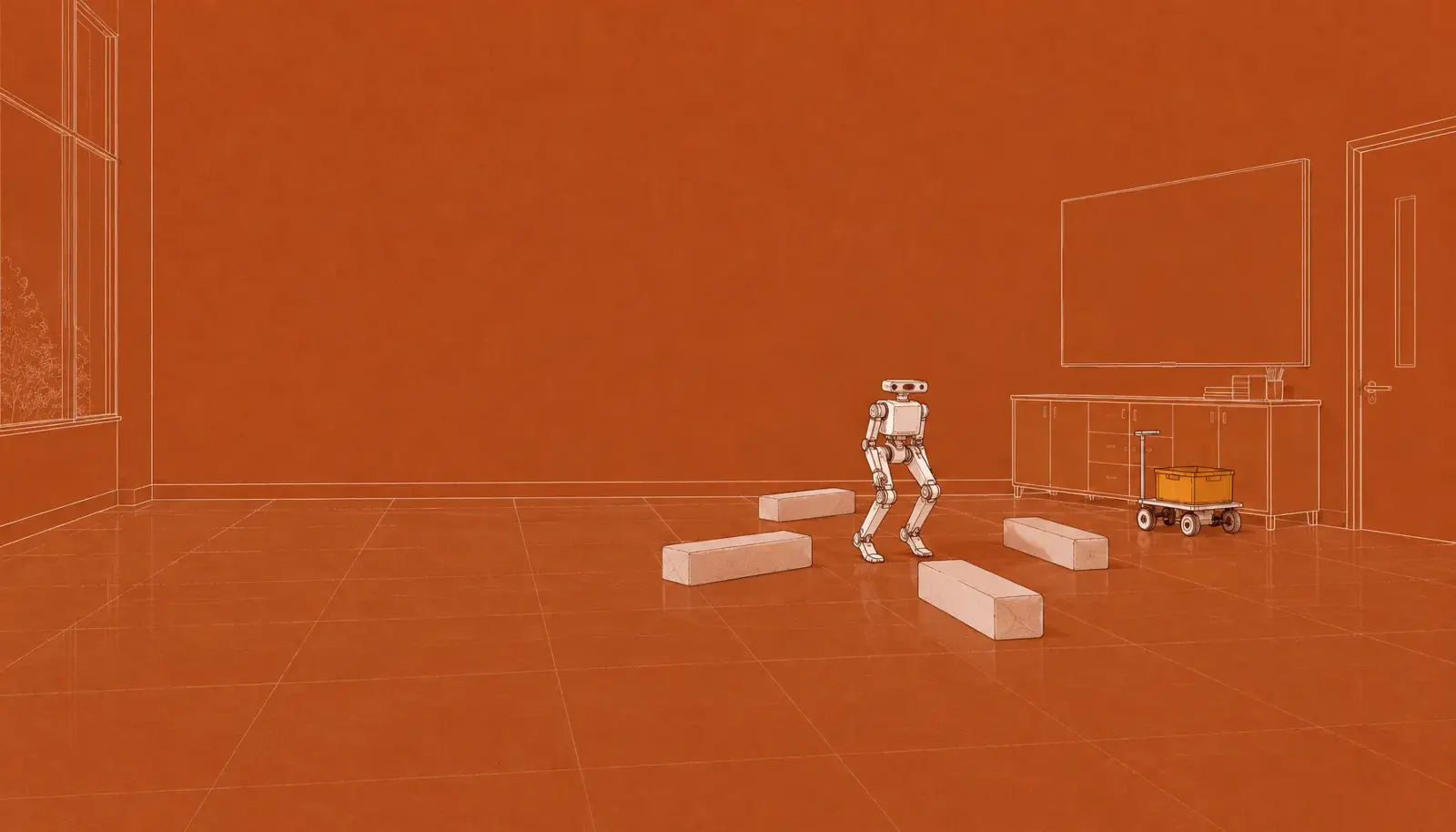
Faraday Future is pitching its Nova humanoid as an affordable platform for robotics developers, but the first buyers cannot simply order one: the initial 100-unit release is invitation-only. The company priced the robot at $2,490 and set a separate $390 price for its Developer Skills Package, putting access—not just cost—at the center of the launch.
Source prnewswire.com
Faraday Future and FF EAI Robotics Ecosystem announced the product after a joint launch event on October 14. Their October 15 release describes Nova as a compact biped for developers and educational institutions, with a broader consumer launch planned after two earlier release phases.
A $2,490 robot, with a gated first batch
Phase One is limited to 100 units for invited developers and educational institutions. The companies said the first 20 units were ready for immediate delivery, while applicants had seven days to request access through FF’s developer platform. The company said approved applicants could then place orders; Phase Two is intended to open to all developers and educational institutions, followed by a consumer launch.
The $390 Developer Skills Package is priced separately from the $2,490 robot. The launch announcement does not say that buyers must purchase the package to use Nova, so the two prices should not be conflated. Faraday Future’s product page lists the robot, detachable Mini Cart, power adapter and Bluetooth game controller in the purchase package.
Twenty joints and two ways to move
Nova stands 49.7 centimeters tall and weighs about 2.8 kilograms, according to the company’s product information. Its 20 degrees of freedom are divided between the head, arms and legs. Faraday Future lists a top walking speed of 0.1 meters per second and a maximum cart speed of 0.8 meters per second.
The robot can walk on two legs or ride a detachable wheeled base. The company says its sensors include 2D LiDAR, a wide-angle camera, a 3D time-of-flight depth sensor and a three-microphone array. Listed onboard compute is rated at 10 TOPS, with 8 GB of RAM and 32 GB of storage.
Simulation tools are part of the pitch
Faraday Future is selling Nova not only as a small humanoid, but as hardware for testing learned behaviors. Its announced developer program uses NVIDIA Isaac tools for simulation training and policy validation on a physical robot, with support for reward-function tuning, data replay and model evaluation.
The company also lists an open SDK, ROS 2 workflow and over-the-air updates. Its product page describes a Python SDK for high-level behavior and a Spine SDK for motor control. Those are company-stated capabilities; the launch materials do not provide independent benchmarks of Nova’s learning performance or show how reliably policies transfer from simulation to the robot.
FF frames Nova as a route from lab to use
The launch included other education and developer initiatives, among them the Nova Mini, priced at $299, and a $499 curriculum. Nova is the more technically ambitious product: its initial audience is developers, research groups and schools willing to apply for a limited release rather than consumers looking for an immediately available home robot.
“The launch of FF Nova and FF Nova Mini marks an important step for FFR in bringing Physical AI from the laboratory to real-world applications accessible to developers, educational institutions, schools, and families.”
Jerry Wang, Chief Executive Officer, FF EAI Robotics Ecosystem Inc.
For the first stage, the practical limits are clear: 100 invitation-only units, a seven-day application window and 20 units designated for immediate delivery. Wider access depends on the company’s next release phase.
Sources
- Original source · Press release PR Newswire prnewswire.com
Other pages read
- Faraday Future · page 1 robotics.ff.com
- Faraday Future · page 2 app-us.ff.com
Related stories
- UCLA’s PhoneBot Uses Android Phones to Control a Walking Humanoid
- Humanoid Controller Uses Its Torso to Reposition Objects in 45 of 50 Trials
- Georgia Tech Study Finds No Best Humanoid Steering Strategy
- Noetix Humanoid Averages 7.14 m/s in a Timed 100-Meter Sprint
- NVIDIA Adds Isaac OS, Lab 3.0 and an Agile Robots Humanoid