The Floor
Hub releases first 10,124 hours of skilled-work video for robot learning
Hub has released the first 10,124 hours of HubEgo-100K, a dataset of first-person video showing skilled work in real-world settings. The footage comes with synchronized motion-sensor data and machine-generated task annotations, and is being released in stages toward a planned 100,000 hours.
A first release from Hub
Hub has released 10,124 hours of first-person video showing skilled manual work, the initial tranche of its HubEgo-100K dataset. A preprint submitted to arXiv on November 16 describes the release as material for robot learning, with footage recorded by contributors in their own workplaces and homes.
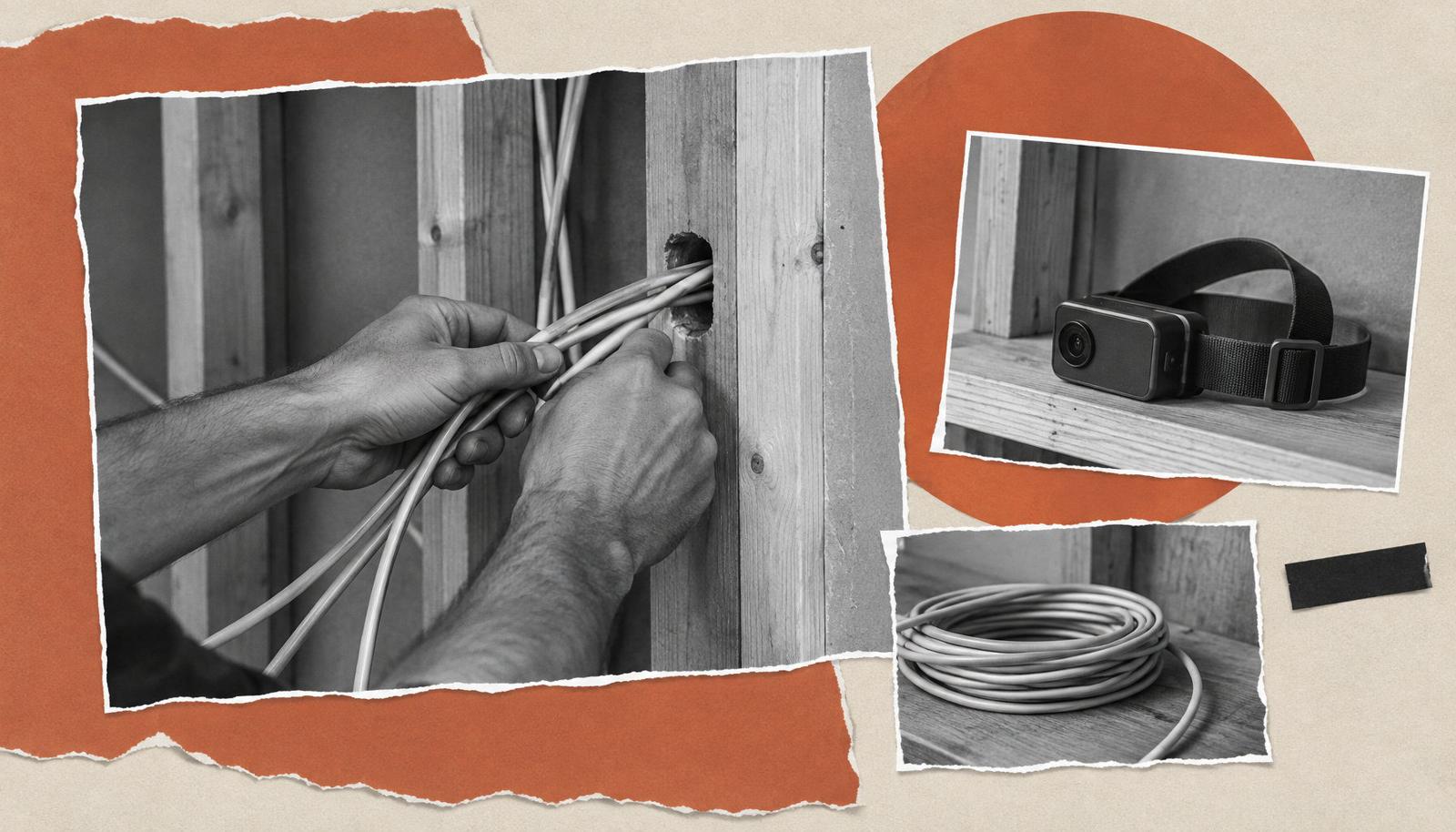
The collection comprises 72,754 episodes from 12,227 contributors across 15,548 environments. The paper groups the work into 11 setting types, 30 work categories, 56 task types and 35 action families. Examples listed by the dataset include bricklaying, wiring, plumbing, phone-board microsoldering and watch repair.
Hub describes HubEgo-100K as a 100,000-hour dataset to be released in stages; the current release is version 1.0. The preprint says that later versions will cover further releases toward that total. The authors say their next step is to train baselines on the data, so this version presents the dataset and its curation rather than a robot-performance result.
Video, sensors and annotations
The recordings use a head-mounted phone camera to capture contributors doing unscripted work. The paper specifies 1080p video with synchronized inertial measurement unit data sampled at 100 Hz. The dataset card gives the video format as 1920-by-1080 H.264 at 30 frames per second and says accelerometer and gyroscope readings are included alongside the video.
The paper reports that 83% of the hours were recorded in workplace settings, with the remainder spanning settings such as homes. Hub says contributors filmed their work rather than taking part in staged recording sessions. The dataset card says contributors’ hands appear in at least 95% of the footage and that 96.9% of episode time is spent actively doing the task.
Each episode includes structured information such as a task description, step-level instructions, action family, skill group, difficulty and recording environment. The dataset card says annotations were generated through dense video annotation using a vision-language model and have not been checked by people. It also says the curation process kept stretches in which the wearer’s hands perform the task, and that privacy filtering was applied before release.
Formats and access
The release is supplied in LeRobot and MCAP formats under the Creative Commons Attribution 4.0 license. The Hugging Face dataset page describes it as free to use, share and adapt, including for commercial purposes, with attribution; it asks users to fill in a short form to access the files.
The paper frames the collection around the variety of people, tasks and environments represented in the recordings. It cites published research on the relationship between training-set diversity and robot-policy generalization, but does not present a new test of a robot trained on HubEgo-100K.
Sources
- Original source · Preprint HubEgo-100K: In-the-Wild Egocentric Video of Skilled Work for Robot Learning arXiv:2611.21938
Other pages read
- Hugging Face huggingface.co