The Floor
London police to trial longer-range drone ID detection
London police will test equipment designed to detect drones’ digital identifiers from greater distances. The government-backed trial is worth nearly £2 million.
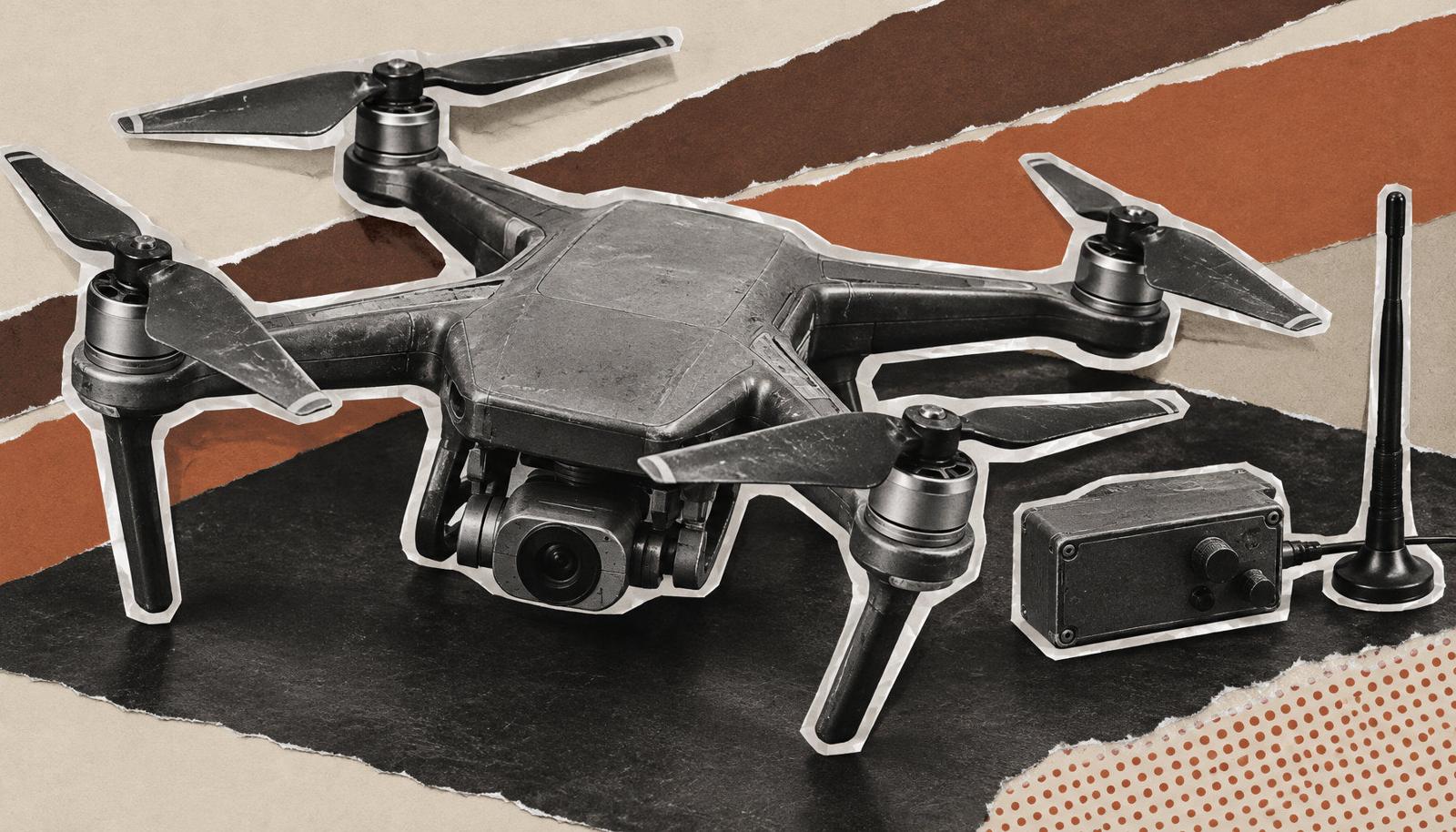
London police will test equipment intended to detect drones’ digital identifiers from greater distances under a government-backed trial worth nearly £2 million. The Department for Transport said existing digital number plates identify a drone and its location but can generally be detected only within a confined vicinity.
The department will provide £1.2 million for the trial. The Regulatory Innovation Office will contribute a further £500,000 for police equipment and infrastructure and to support efforts to remove barriers to scaling up drone operations.
Longer-range detection
The National Police Chiefs’ Council will decide where equipment is deployed during the London trial. The department says the new equipment will increase the accuracy and reach of detection, helping police build a stronger picture of drone activity across the capital.
The government said the trial is intended to help police respond to disruptive and dangerous drone use, including around major events. It also said the measures could support future efforts to address unauthorised activity around airports and other sensitive sites.
Longer term, the government says the trial will give police greater visibility of drone activity across the country. It is also developing cloud-based drone tracking software for use around airports and railways.
In Birmingham, sensors beside railway infrastructure are already giving police and Network Rail a clearer view of the airspace around key sites, according to the department. The sensors are intended to prevent nuisance drones from disrupting trains and construction.
Earlier identification funding
The trial builds on nearly £50 million in government investment announced in May for drone and flying taxi technology. The May 5 announcement included nearly £20.5 million committed to developing a drone identification system.
In the May 5 announcement, the government described Hybrid Remote ID as a system that sends a drone’s identification and location during flight for nearby devices to receive. It said flight details are also shared through an online system accessible to authorised people who are not nearby, with historical data recorded.
Public events and deliveries
The transport department cited concern about drones flown illegally around major events, including disruption at an Arsenal fixture in October. Sky Sports reported that the Fleetwood versus Arsenal match was delayed on October 27 because a drone was over the pitch at Highbury stadium.
The government also cited more than 10 drone seizures around Oasis concerts last year.
Louisa Smith, chief operating officer of logistics company Apian, said giving police better tools to identify drones and distinguish authorised operations from potentially illegal activity will help build confidence in the safe and responsible use of drones. She said the company’s ambition is to connect hospitals and laboratories across London to deliver pathology samples, medicines, blood and transplant organs.
The department estimates that the UK drone sector could contribute up to £103 billion to the economy over the next 25 years. The department says the trial will also help drones operate safely alongside other aircraft, boosting the frequency of medical deliveries and shopping services.
Sources
- Original source · Government or agency page Department for Transport “New digital number plates to help police crackdown on criminal drone use” gov.uk
Other pages read
- Department for Transport “Nearly £50 million government backing to power up drone and flying taxi tech and crack down on illegal drones” gov.uk
- Greater Manchester Police gmp.police.uk
- Sky Sports “Fleetwood vs Arsenal delayed due to drone over Highbury stadium!” skysports.com