The Floor
Treasury Proposal Would Bar Some U.S. Investment in Lab Robotics
A Treasury proposal published October 26 would restrict some U.S. investment in foreign companies developing laboratory automation and robotics for automated scientific research. The draft rule covers specified technology sectors, proposes both investment bans and notification requirements, and accepts comments through December 7.
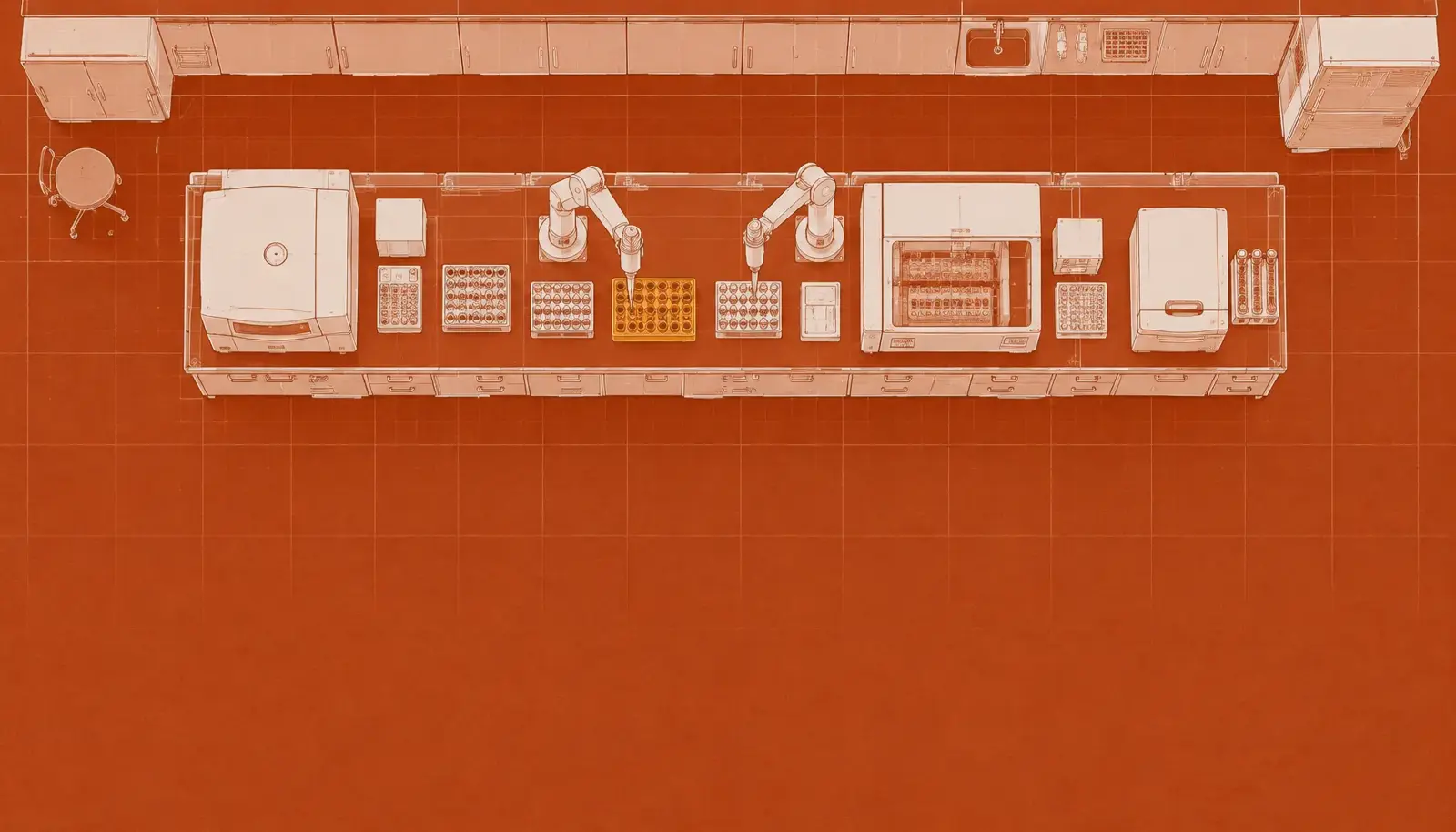
The U.S. Treasury Department’s proposed outbound-investment rules explicitly include robotics used for automated scientific discovery, putting some laboratory automation within the scope of a new national-security screening program. Treasury issued the proposal on October 22; the 38-page rule appeared in the Federal Register on October 26. It would restrict certain U.S. investments in covered foreign companies, not foreign investment into U.S. robotics firms. The proposal is open for public comment until December 7.
Lab automation appears in the biotechnology provisions
The draft places laboratory robotics in its proposed definition of prohibited biotechnology. The listed technologies include “hardware, robotics, or software for automated scientific discovery or experimentation,” with laboratory automation and cloud-lab infrastructure named as examples. Treasury also lists biological sequencing technology, certain cell sorters and flow cytometers, and computational tools for biological research.
The wording does not make every robotics company or every laboratory robot subject to an investment ban. Instead, the proposed rules would apply to specified transactions involving a covered foreign person engaged in a prohibited technology. A robot maker focused on ordinary factory automation, for example, is not brought into the biotech provision simply because its products are robots; the text identifies automation for scientific discovery or experimentation.
The rules govern U.S. capital moving abroad
The proposal implements the Comprehensive Outbound Investment National Security Act, which directs Treasury to prohibit some transactions and require notification of others. Covered transactions can include acquiring equity, certain debt financing that carries equity-like rights, forming joint ventures, and developing operations or assets in a country of concern. The draft defines covered foreign persons through factors including location, ownership, control, and ties to a country of concern.
The proposal identifies China, Cuba, Iran, North Korea and Russia among the countries of concern. Treasury’s proposed biotechnology provisions classify the specified laboratory automation technology as prohibited technology, rather than placing it in a notification-only category. Separate provisions establish notification requirements for certain other technologies, so the proposal does not treat every covered technology or transaction alike.
Treasury asks for feedback on biotech’s reach
Treasury acknowledges that biotechnology restrictions could have costs beyond the intended security effects. The rule says restrictions could create countervailing national-security effects if they cause significant public-health risks or harm U.S. businesses, and asks for comments on the proposed approach. That request makes the scope of the biotech section a live issue for the rulemaking, rather than a settled boundary.
Some transactions would be excepted. The proposal includes exceptions for certain exchange-traded securities and investments in investment companies such as index funds, while transactions totaling no more than $50,000 over the preceding 12 months would be exempt from notification requirements only. That threshold is not a general exemption from the proposed prohibitions.
The proposal has no effective date yet
“The proposed regulations are designed to address risks that can arise when foreign adversaries try to benefit from U.S. investment in key technology sectors,” said Christopher M. Pilkerton, Assistant Secretary of the Treasury for Investment Security. U.S. Department of the Treasury
Treasury says it will consider public input before issuing final implementing regulations, which will set the program’s effective date. Comments on the proposal must reach the department by December 7, 2026. Until a final rule establishes the operative date and any changes to the text, the laboratory-robotics provision remains a proposal.
Sources
- Original source · Court record Federal Register govinfo.gov
Other pages read
- U.S. Department of the Treasury home.treasury.gov