The Floor
Volvo and Waabi Start Warp Freight Runs in Texas
Volvo Autonomous Solutions and Waabi have begun carrying freight for Warp on the Dallas–Houston corridor using a Volvo VNL Autonomous truck powered by Waabi Driver. The customer operation serves less-than-truckload and full-truckload shipments, with an observer in the driver’s seat.
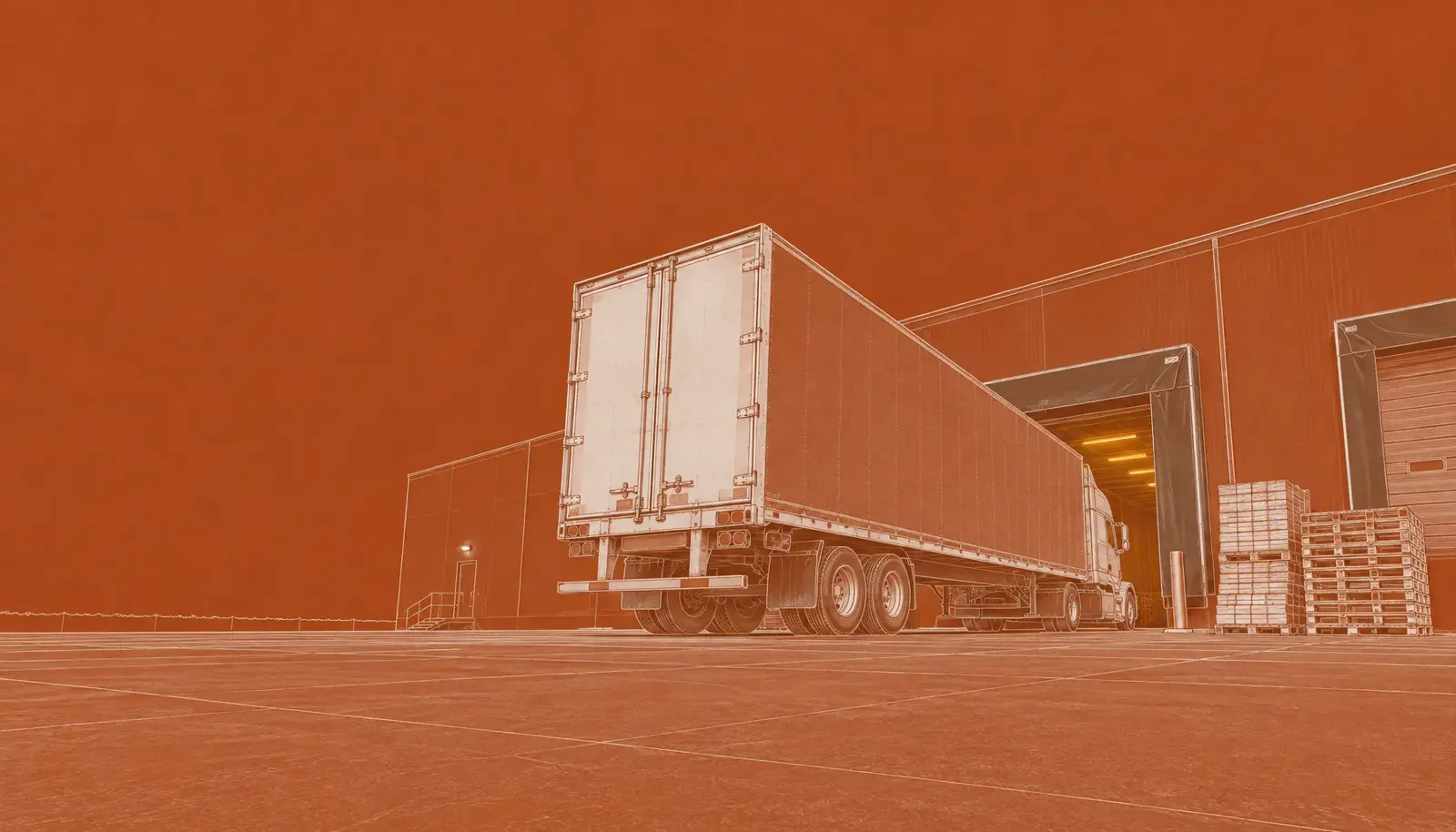
Warp gets Volvo’s first Waabi-powered customer lane
On October 5, Volvo Autonomous Solutions and Waabi announced their first customer operation together: freight runs for Warp on the Dallas–Houston corridor. A Volvo VNL Autonomous, running Waabi Driver, is transporting shipments directly to third-party facilities. The companies say the operation brings autonomous trucking into Warp’s network, which handles both less-than-truckload (LTL) and full-truckload freight.
The announcement describes the lane as a way to serve LTL shipments, which combine freight from multiple customers and depend on coordinated transfers and schedules. Volvo and Waabi say the truck can move freight directly between facilities without handoffs. They have not disclosed the number of trucks, shipment volumes, or a timetable for expanding the operation.
The truck is autonomous, but not driverless
The distinction matters: Volvo and Waabi say an observer currently sits in the driver’s seat during autonomous hauls. The announcement does not describe the operation as driverless or give a date for removing the observer. It is a customer freight operation using autonomous driving technology, not evidence that the truck runs without an onboard person.
Volvo says the VNL Autonomous was designed from the ground up for autonomous driving and includes redundancies for six safety-critical systems. The vehicle is also designed to integrate autonomous driving systems from partners such as Waabi. The announcement does not identify the six systems or provide performance, safety, or reliability results from the Warp lane.
Warp brings consolidated freight to the route
LTL networks gather shipments from multiple customers, move them through coordinated routes, and distribute them to their destinations. Warp combines LTL and full-truckload services in a single network. Putting autonomous trucks into that system tests how the technology fits into a freight operation that depends on matching loads, capacity, routes, and timing—not only highway driving.
“The value of autonomy grows when you can coordinate the freight around it,” Daniel Sokolovsky, CEO of Warp, said in the announcement. He said Warp brings together shipments from multiple customers and aligns routes, capacity, and timing, so improvements on one lane can benefit the wider network. The companies frame the Dallas–Houston run as an initial use of autonomous capacity within that existing freight network.
Autona/freight combines vehicle, software and operations
Volvo’s Autona/freight offering is more than the truck and its driving system. The company describes it as an integrated transport setup that also includes fleet and transport management, terminals and customer endpoints, operations, uptime support, and a cloud system for managing transport and logistics flows. That arrangement places the Volvo vehicle and Waabi’s software inside the broader work required to move customer freight.
“What we learn on the Dallas–Houston corridor will help us strengthen our partnership and continuously improve the ecosystem as we scale,” Nils Jaeger, president of Volvo Autonomous Solutions, said. Volvo and Waabi say they will use experience from the lane to prepare for additional routes. For the operation announced October 5, the defined route is Dallas–Houston, the customer is Warp, and an observer remains in the driver’s seat.
Sources
- Original source Volvo Autonomous Solutions volvoautonomoussolutions.com
Other pages read
- Waabi waabi.ai