The Floor
Li-S Energy finalises two high-power lithium-sulfur cell designs
The company has completed testing and characterisation of two high-power lithium-sulfur cell designs, with datasheets shared with partners under NDA. The company reports continuous discharge rates of up to 7C and says the cells retain energy density approaching 400 Wh/kg.
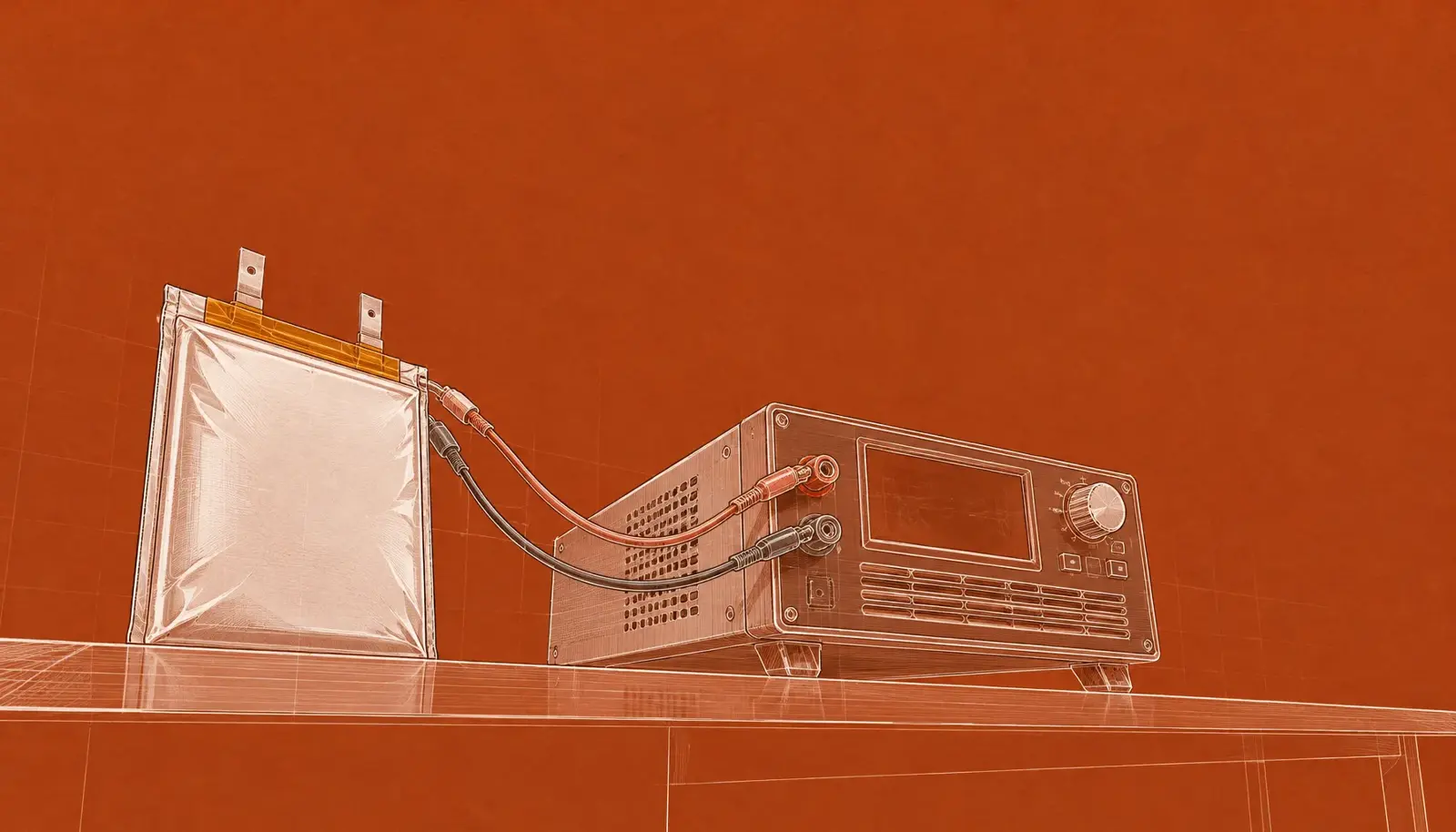
Li-S Energy has completed development, testing and characterisation of two high-power lithium-sulfur cell designs, with datasheets shared with partners under non-disclosure agreements. The designs target multi-rotor drones, robotics and communications systems, applications where the company says higher power delivery is needed. The designs were produced on its automated Phase 3 production line.
Source prnewswire.com
The announcement, issued on Nov. 9, describes the cells as a complement to Li-S Energy’s earlier high-energy offering. That earlier design was intended for low-power, long-endurance platforms, while the new variants are aimed at systems needing more power. Both designs retain gravimetric energy density approaching 400 Wh/kg, the company says.
Two discharge profiles
The 10Ah cell is rated for continuous discharge at 2C, yielding 100% of its stored energy, and a peak rate of 5C. It is identified for systems requiring longer cycle life. The 11Ah version is rated for 7C continuous discharge, yielding 96% of its stored energy, and a peak rate of 10C; it is intended for high-power uses where cycle life is not a critical requirement.
Traditional lithium-sulfur cells typically discharge continuously at 0.1C to 0.2C, Li-S Energy says. The new cells have continuous power density of 1,700 W/kg and peak power density of 2,400 W/kg, figures the company reports, which it says brings its technology into the fast multi-rotor uncrewed aerial vehicle market. The cells also retain almost the entire weight advantage offered by the broader cell technology, the company says.
Power and energy claims
The 11Ah cell can operate at up to 10C, compared with the Energy Cell optimised for a C/5 discharge rate. The company describes that as 50 times the power of the Energy Cell and says the new variants increase maximum power performance by more than 50 times. Its footnote defines C-rate as a measure of battery power: a 1C cell is designed to discharge in one hour, while a 2C cell is designed to discharge in 30 minutes.
The new range was contrasted with its GEN3 cell, which the company said reached 456 Wh/kg after formation cycling in 2024. GEN3 was designed for low-power, long-endurance platforms such as fixed-wing drones and marine systems, while the Power Cells are intended for applications where higher power is needed.
Production and next steps
Its Phase 3 production line and Battery Test Centre enabled it to scale research concepts into commercial-sized cells produced consistently and in volume. Chief Technology Officer Steve Rowlands said the 11Ah cell delivers more than 95% of its energy in under nine minutes at a continuous 7C rate, while maintaining energy density close to 400 Wh/kg by standard measures. He said the cells could be matched and integrated into battery packs for drone applications.
Managing Director and CEO Lee Finniear said the development and production teams had worked to scale the designs from concept to production cells. The company plans to keep advancing the Power Cells, aiming to increase energy density while maintaining high-power performance, with the goal of extending system range, operating time and payload.
Sources
- Original source · Press release PR Newswire prnewswire.com
Related stories
- Ring announces home security drone and business patrol robot
- Researchers Present LumiTac, a Six-Axis Sensor With a 12 mm-Diameter Sensing Head
- Sandia builds 2-by-6-inch crawler for Hanford waste pipes
- Drone Reports Disrupt Seven Flights at Jersey Airport
- ETAMU study tests motion-based AI for drone GPS spoofing