The Floor
Report: Boston Dynamics’ Atlas to Use Samsung SDI Battery Cells
Hyundai Motor has selected Samsung SDI and LG Energy Solution to supply batteries for Atlas, with Samsung expected to handle most initial shipments. The robot will use 70 cylindrical cells per pack, while Hyundai’s Spot 2 is set to test the same cell format first.
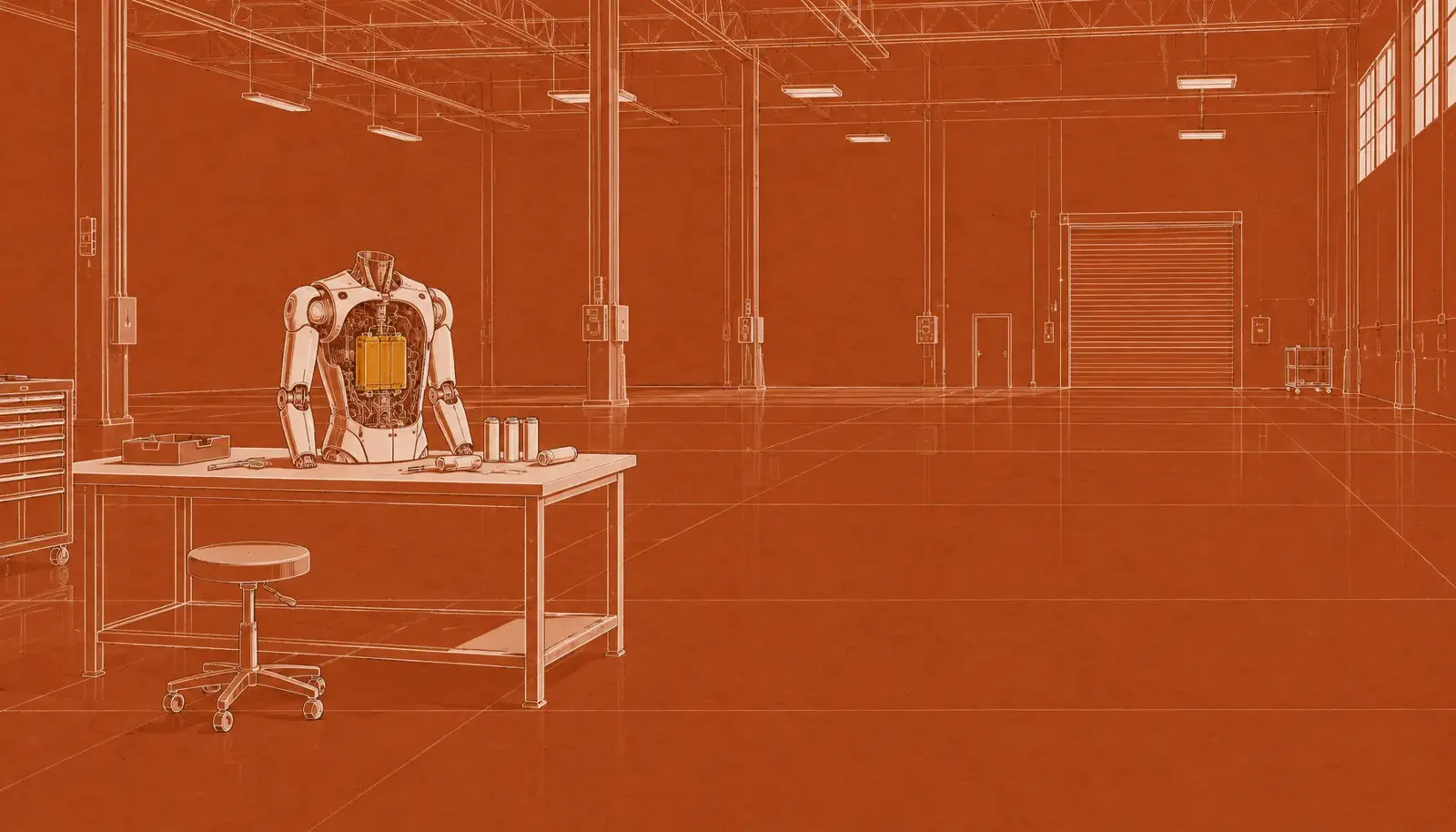
Samsung SDI is expected to handle most initial Atlas battery shipments
Hyundai Motor has finalized battery specifications for Atlas and selected Samsung SDI and LG Energy Solution as suppliers, The Elec reported, citing industry sources on Nov. 6. Samsung SDI is expected to supply virtually all initial shipments and remain the sole supplier for the time being because production volumes are limited. LG Energy Solution has also been selected as a supplier.
Each Atlas robot will use 70 cylindrical 2170 cells, measuring 21 millimeters in diameter and 70 millimeters in height. Each cell has a capacity of 5,000 milliampere-hours, giving the assembled pack approximately 1.3 kilowatt-hours of capacity. That is about 1.6% of the 84-kilowatt-hour battery in the Ioniq 5 Long Range.
The battery is designed for two to four hours of operation
The Elec reports that the capacity can power a top-efficiency household refrigerator that consumes 360 to 380 kilowatt-hours annually for more than 24 hours. Typical humanoid robots operate for approximately two to four hours, and Atlas is designed for more demanding tasks than the Spot series. East Asia Brief reports that Atlas can replace its battery pack in less than three minutes and that depleted packs take 90 minutes to recharge; The Elec's text reads "battery replacement and charging take one hour and 30 minutes and less than three minutes, respectively."
Hyundai Motor has assigned responsibility for Atlas to Hyundai Mobis, its automotive components subsidiary. HL Mando, Valeo Kapec and Powerlogics were also reportedly considered. Valeo Kapec and Powerlogics supply Boston Dynamics’ next-generation quadruped robot, Spot 2; Samsung SDI works with Valeo Kapec, while LG Energy Solution partners with Powerlogics.
Spot 2 is set to test the same cells before Atlas
Spot 2 will be tested first because it uses the same 2170 cells. Hyundai Motor Group has deployed about 500 Spot 1 robots at its Metaplant America facility in Georgia. Spot 2 is planned for mass production at 100 units per month, with an estimated price of about 100 million won per unit, depending on options.
Spot 1 can operate continuously for about an hour, so additional robots are needed while units recharge. Spot 2 is expected to offer an optional robotic arm, which could increase battery consumption. Atlas has a larger battery than the Spot series, and its capacity could increase in the future.
Samsung SDI is expanding its tabless battery design
Samsung SDI has been increasing the capacity of its cylindrical batteries, with a focus on power output, and expanding use of tabless structures. Conventional battery tabs are thin metal strips attached to the ends of the jelly roll to carry electrical current. Removing them can reduce heat generation and simplify manufacturing, but requires numerous current-collection connections inside the roll and precise handling of the active materials and copper and aluminum current collectors.
LG Energy Solution primarily supplies H-series batteries for aerospace and robotics. The company previously offered a 3,200-milliampere-hour model, which it discontinued earlier this year; its recently manufactured products have capacities of 5,000 milliampere-hours or more.
According to The Elec, Atlas mass production is scheduled for 2028 or later. East Asia Brief reports that Boston Dynamics requested domestic vendors to prepare component tooling for 10,000 humanoid robots.
Sources
- Original source The Elec thelec.net
Other pages read
- East Asia Brief eastasiabrief.com