The Floor
Serve opens its 2,000-robot delivery network to developers
Serve opened a public API and sandbox for building delivery applications with its sidewalk robots. Live-robot access requires Serve’s approval, and deliveries remain subject to service-area, operating-hour and cargo limits.
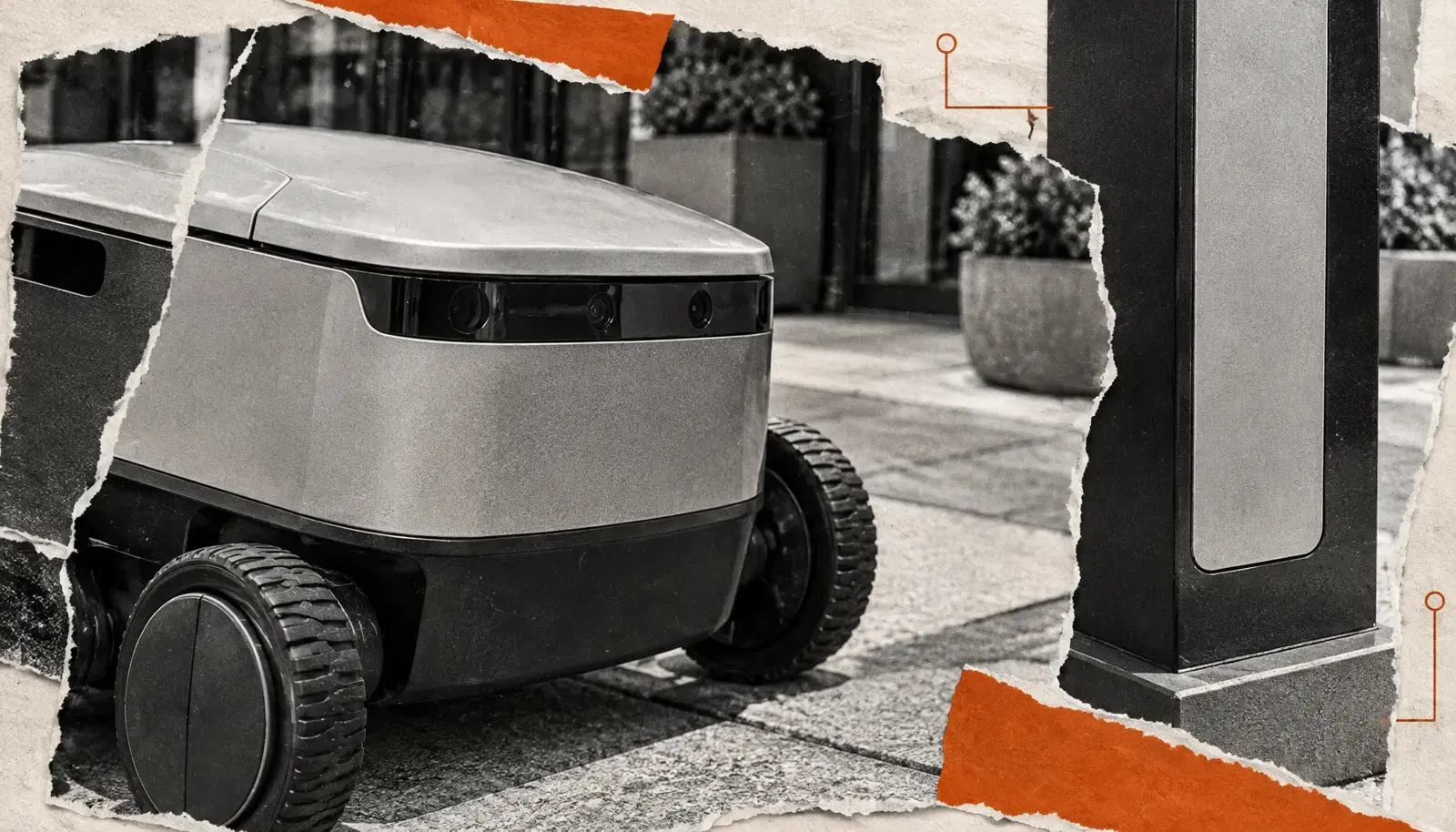
A public API now lets outside developers request and track deliveries using Serve Robotics’ sidewalk-robot fleet, but access to live robots requires the company’s approval, according to a November 11 post. The portal also provides a sandbox for developing and testing delivery applications without operating a robot fleet.
From request to delivery
Serve calls the offering the AV Delivery Developer Portal. The company says it is opening a network of 2,000 robots that had previously been available through third-party delivery partners. Serve reports that the robots have completed hundreds of thousands of deliveries across more than 150 neighborhoods in 20 U.S. cities.
Through the API, an application or AI assistant can request a pickup and dropoff, confirm delivery details and track a robot through completion. Serve continues to handle dispatch, routing, navigation and supervision, leaving developers to build the applications and services that use those capabilities.
Testing before live access
The portal’s sandbox uses simulated robots so developers can run through the delivery workflow and test edge cases before working with a live robot. Documentation and the sandbox are available, while developers who want to move beyond simulation must seek Serve’s approval for live access.
Live deliveries remain subject to the company’s existing operating requirements. Serve says robots dispatched through the API will be remotely monitored by trained supervisors and will use the safety systems built into each vehicle. Trips are restricted to active service areas and operating hours, and limits on cargo size.
Potential applications
The company presents food delivery as one possible use, not the only one. Its examples include local retailers delivering directly to customers, merchants bringing goods to customers’ doors and businesses moving supplies between locations. Serve also describes AI assistants coordinating deliveries and developers adding robot delivery to existing applications.
The new access route changes who can build delivery applications, but Serve retains control of the robot operations and the conditions for live trips.
A separate robotics service
The developer portal follows Serve’s November 5 introduction of Physical AI Services. That earlier offering opened technology behind the company’s robots to organizations building other kinds of robots; the new portal instead gives developers and businesses a way to build services on Serve’s delivery fleet.
Sources
- Original source · Blog post Serve Robotics serverobotics.com
Other pages read
- Serve Robotics / GlobeNewswire investors.serverobotics.com
Companies in this story
Related stories
- Up to Nine Injured After Bus Brakes for Delivery Robot in Tallinn
- Deliveroo and Coco Plan Robot Deliveries in Five UK Locations
- Starship Plans Software Changes After Tallinn Bus Crash
- Arrive AI invests in Ottonomy as deal contemplates 50 robots
- DIVAL reshapes motion fields to match a robot’s starting heading