The Floor
Tutor Intelligence Raises $75M to Expand Its Robot Workforce
Tutor Intelligence raised a $75 million Series B led by Andreessen Horowitz, bringing its total funding to $117 million. The Watertown, Massachusetts, company plans to use the money to train robot models and build and deploy more of its Sonny and Cassie robots.
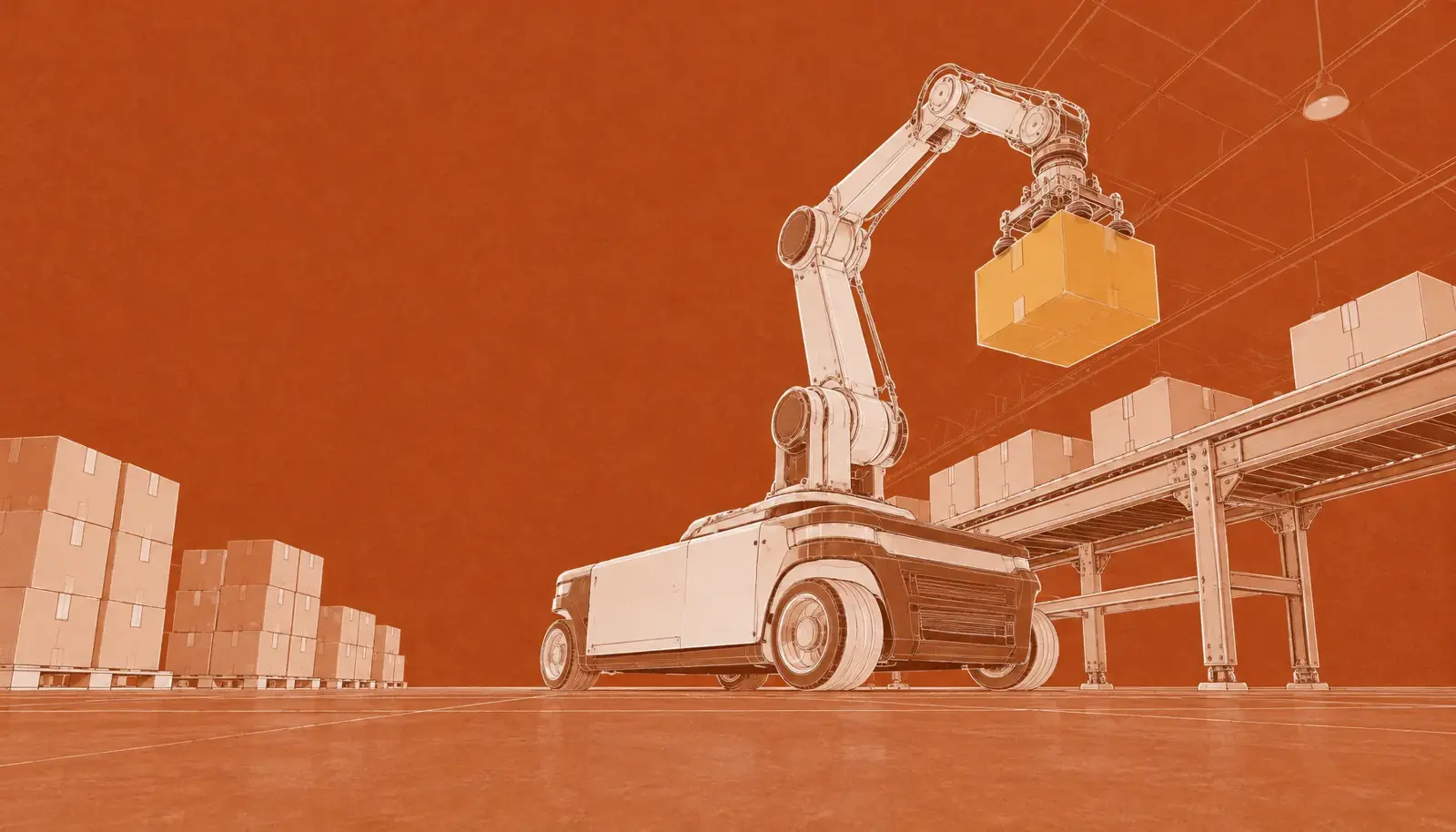
Tutor Intelligence announced a $75 million Series B on November 2, 2026, saying it will use the capital to train robot foundation models and manufacture and deploy more of its robot workers. Andreessen Horowitz led the round; existing investors Union Square Ventures and Neo also participated. The Watertown, Massachusetts, company says the financing brings its total capital raised to $117 million.
Source businesswire.com
Funding for models, manufacturing and deployments
Tutor’s plan ties research spending to the work its robots perform in factories and logistics facilities. The company deploys internet-connected machines to customer sites, where remote human operators—called “tutors”—can guide work when needed. Tasks completed in those settings generate data Tutor says it uses to train models for the fleet.
“And the demand is there. We can hardly build robots fast enough,” Josh Gruenstein, Tutor Intelligence’s co-founder and CEO, said in the announcement. The company sells robot work by the hour or by the pick, rather than requiring customers to buy equipment upfront or sign long-term contracts. Tutor says it handles deployment and maintenance and provides software and model updates.
Sonny and Cassie target warehouse work
Tutor names Sonny and Cassie as the robots its new funding will support. Andreessen Horowitz describes Cassie as a single-arm robot for case picking and palletizing or depalletizing, while Sonny has two arms and is intended for more dexterous piece-picking work, such as e-commerce fulfillment. Both platforms use Tutor’s model, according to the investor’s account of the company.
The approach puts robots into production before full autonomy, with human teleoperators helping train the systems and keep work moving, Andreessen Horowitz wrote. That means a deployment can provide immediate service to a customer while also supplying experience for later model training. The company presents this link between customer work and model improvement as a way to expand what its robots can handle.
Facility growth is not the same as robot count
Tutor says its robots now work in almost four times as many facilities as they did a year ago. It is targeting more than 1,000 robots under contract by the end of 2027, with the machines built and deployed in the United States. The figure is a company target for units under contract, not a claim that 1,000 robots are already operating.
The company says its robots handle goods including cereal, snacks, candy, cosmetics, home products and toys across manufacturing and logistics networks. Nearly one-third of organizations that received Tutor robots in the 12 months before the announcement were existing customers adding more units, according to the company. That repeat business is a more immediate signal of expansion than the longer-dated contract goal.
The bet is on paid work feeding robot learning
Andreessen Horowitz’s investment thesis centers on Tutor’s decision to start with customer jobs rather than first building a general model and then searching for applications. In its announcement, the firm said deploying robots with human operators lets the company collect task-specific data while customers receive service. Its partners also cited implementation times as short as eight hours, though the post does not specify which deployments achieved that timing.
The $75 million round therefore backs both a robotics research program and an operating business that charges for completed work. Tutor’s next test is whether it can grow the fleet and broaden the tasks it performs while reducing the human help needed on individual jobs. For now, the company’s announced milestone is concrete: more facilities than a year ago and a goal of more than 1,000 contracted robots by the end of 2027.
Sources
- Original source · Press release Business Wire businesswire.com
Other pages read
- Andreessen Horowitz a16z.com
- Tutor Intelligence release (Business Wire via Morningstar) morningstar.com
Related stories
- Machenta Raises $40M to Teach Robots From One Demonstration
- Rhoda AI Reports Higher Robot Benchmark Scores With Larger Video Models
- RoboColosseum Tests Robot Policies in 5,699 Comparisons at 124 Sites
- AgiBot Reports G2 Robot’s Store-Task Success Stabilized at 85.7%
- Preprint Presents PHIL for Proactive Robot Policy Correction