The Floor
Army Flies VICTOR With a 3D-Printed Heavy-Fuel Engine
A Group 3 unmanned aircraft, VICTOR, completed a successful flight demonstration powered by a 3D-printed heavy-fuel rotary-engine hybrid system, the U.S. Army’s DEVCOM Army Research Laboratory reports. The aircraft combines the engine with a 400-volt motor-generator and is slated for further military experimentation.
“The use of advanced manufacturing, including 3D metal printing, allowed us to rapidly redesign engine components based on lessons learned through experimentation.”
Dr. Chol-Bum “Mike” Kweon, DEVCOM ARL program manager
The U.S. Army’s DEVCOM Army Research Laboratory announced on November 2, 2026, that its 3D-printed heavy-fuel rotary-engine series-hybrid system had completed a successful flight demonstration. The aircraft, VICTOR, flew near Huntsville, Alabama. Researchers developed the propulsion system through the Versatile Tactical Power and Propulsion essential research program.
Researchers tackled heavy-fuel combustion
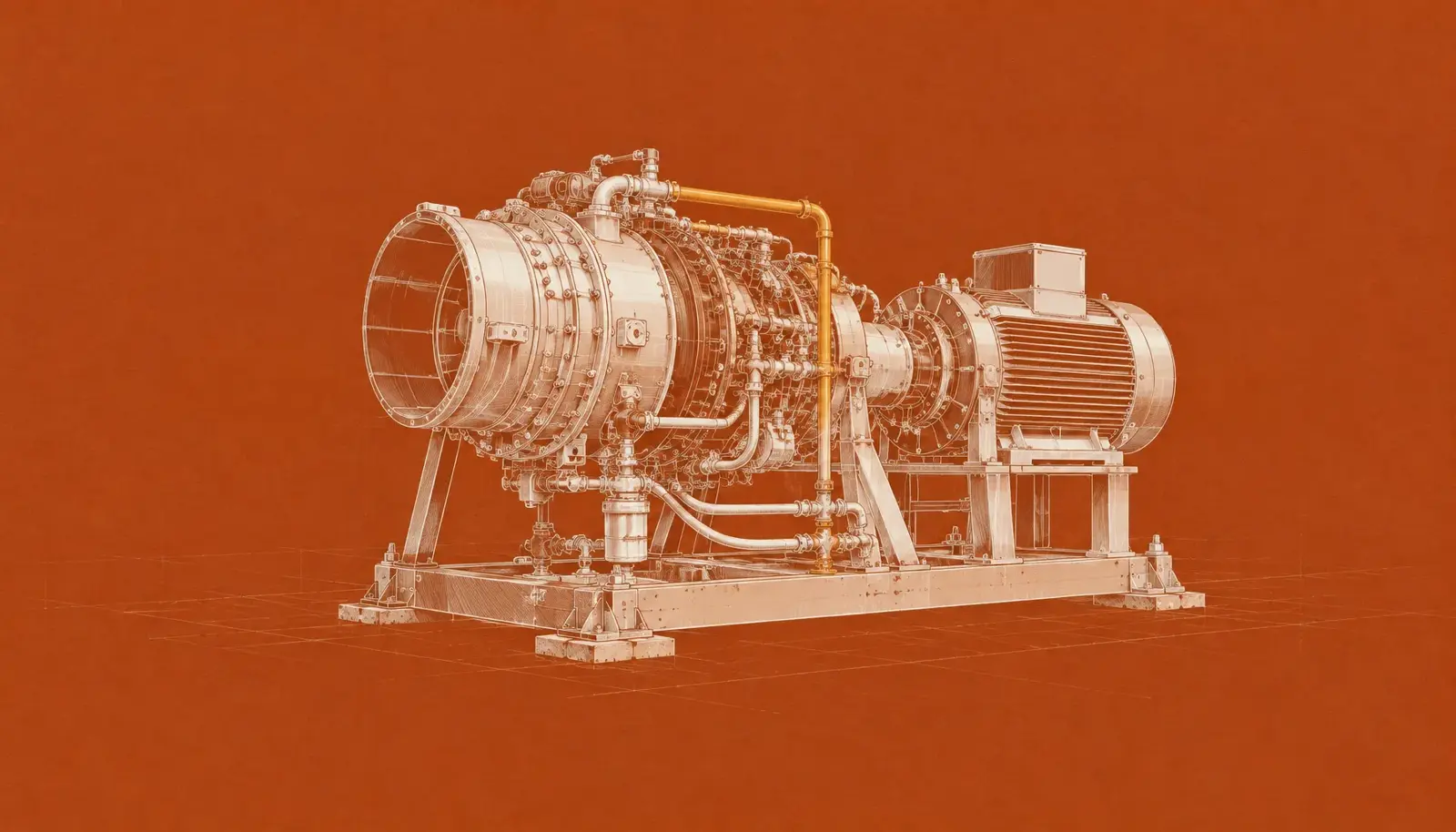
Army researchers used computational fluid dynamics modeling and a clean-sheet design to address the challenge of burning heavy fuel efficiently in a rotary engine. The work improved fuel atomization and vaporization while minimizing leaks of compressed air and fuel vapor. The Army describes the resulting engine as air-cooled, reducing propulsion-system size and eliminating the need for liquid coolant.
The engine is integrated with a 400-volt motor-generator to form a series-hybrid system. The design is intended to support vertical takeoff and landing operations in contested environments, the Army says. Its announcement describes a successful flight demonstration, but does not provide flight duration, payload figures or other performance measurements.
VICTOR puts the system in an aircraft
DEVCOM ARL worked with industry partners, including Griffon Aerospace, to develop an aircraft platform around the propulsion system. The result is VICTOR, short for Versatile Intelligence Controlled Tactical Operational Reconnaissance and Attack. The Army classifies it as a Group 3 midsized unmanned aircraft system.
The Army’s account identifies the demonstration as a launch, flight and landing near Huntsville. It does not describe the aircraft’s control method during the demonstration. The flight brought the engine and motor-generator system into an aircraft platform developed by the Army laboratory and its industry partners.
A research program with a wider network
The VICTOR research program involved more than 30 universities, more than 13 federal laboratories and more than 20 industry partners. That collaboration produced hundreds of scientific journal publications spanning combustion chemistry, sensing and controls, material design, batteries and hybrid electric technology. The program also professionally developed hundreds of scientists and engineers now working in government, industry and academia.
Other outcomes listed by the Army include technical data packages, design methods, reliability lessons and tens of patents and patent applications. These findings address energy and propulsion challenges relevant to tactical-level energy independence, the laboratory says. The work also produced knowledge applicable to future propulsion and drone design and integration, it adds.
VICTOR and PULSAR move to further experimentation
Lessons from the research program will inform follow-on laboratory research and industry development, including PULSAR: the Persistent Unmanned Aircraft System for Logistics, Strike, Autonomy, and Reconnaissance. PULSAR is an advanced drone-operation concept that uses a swarm of VICTOR aircraft for multi-mission capabilities.
VICTOR and the PULSAR concept will be made available to military partners for further experimentation and development. Industry partners will continue refining VICTOR for other applications, according to the Army’s November 2 announcement.
Sources
- Original source · Government or agency page The United States Army army.mil