The Floor
Autoware 2.0 Adds AI Planning Alongside Rule-Based Driving
The Autoware Foundation announced Autoware 2.0 with end-to-end AI planning, a package index and a framework for assembling documented vehicle configurations. Developers can select its Diffusion Planner at launch, while rule-based planning remains the default.
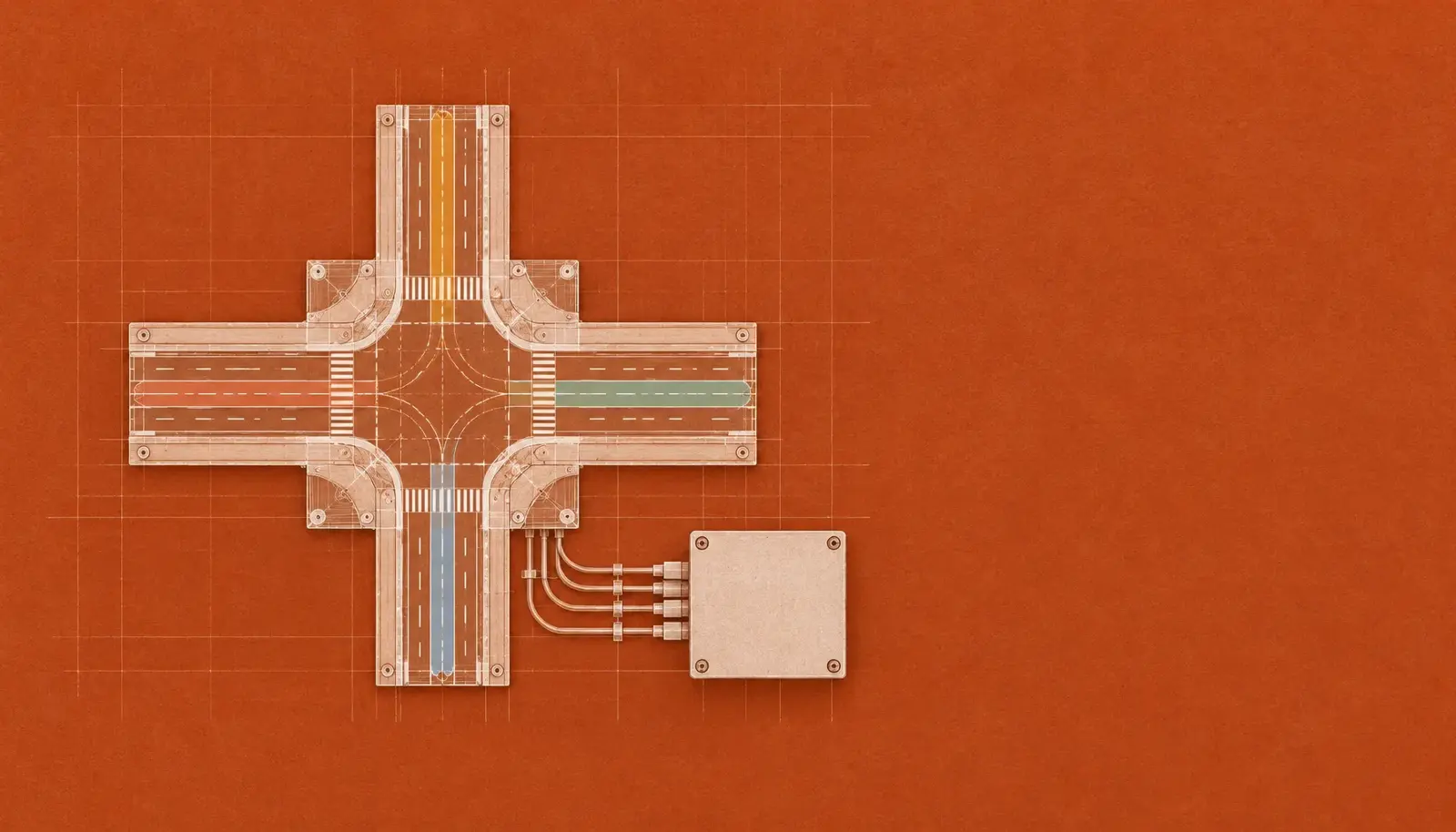
“Users often ask us how to go from Autoware’s software to a complete autonomous vehicle. Autoware 2.0 addresses this by introducing Autoware Reference Design with a documented blueprint for the entire system.”
Ryohsuke Mitsudome, TSC Chair, The Autoware Foundation
Autoware keeps its rule-based foundation
The Autoware Foundation announced version 2.0 on November 2, adding support for end-to-end AI and hybrid driving stacks alongside the project’s rule-based modules. The update adds a new architecture for selecting planning modules, changes how AI models are managed and introduces tools for assembling a complete software workspace.
Autoware 2.0 builds on the existing structure rather than replacing it. The project separates Autoware Core, a maintained set of libraries, APIs and interfaces, from Autoware Universe, where additional features, experimental algorithms and community contributions live. The Foundation presents the new release as a way to evaluate learned planning within that established modular stack.
A planner choice, not an automatic handoff
The new generator–selector architecture lets multiple trajectory generators run within the same system, with a selector choosing an output. Those generators can use rule-based modules, AI modules or a combination of both. The Foundation also describes a simulator demonstration that brings rule-based planning and several end-to-end modules together.
There is an important distinction between that architecture and the default startup behavior. In the GitHub 2.0.0 release notes, developers choose the planner when launching Autoware: the Diffusion Planner is available through the planning_setting:=diffusion_planner setting, while rule_based remains the default. The release makes AI planning an option within the stack; it does not describe an automatic changeover from one planner to another.
Models and packages move into clearer homes
Version 2.0 makes the Autoware Foundation’s Hugging Face organization the default home for its AI models and datasets, with version control. Model manifests can also point to the Foundation’s machine-learning server, AWS S3 or third-party servers. The shift replaces a setup in which model downloads were defined in a central Ansible file.
The new Autoware Index provides a directory of compatible repositories and Reference Designs. Its command-line tool lets developers select packages or a complete design with its dependencies, then generate a repository list for their workspace. Five Universe packages have moved into separate repositories, while end-to-end packages are registered in the Index.
Reference Designs spell out the whole system
Autoware’s Reference Design framework pairs a Deployment Profile—the vehicle, hardware, operating conditions and use case—with a Reference Software Stack. That stack specifies modules, model versions, parameters, interfaces and platform requirements. Together, the two form a documented, versioned configuration intended to help others reproduce and assess a system.
The Foundation lists low-speed shuttles, highway assistance and urban robotaxis as application families, and says designs can compare rule-based, end-to-end and hybrid stacks against the same deployment profile. Each design also identifies its status, distinguishing intended capability from demonstrated results. That distinction matters: a documented configuration gives developers a basis for evaluation, but does not by itself establish performance on a road.
The Foundation’s announcement is dated November 2, but GitHub dates the 2.0.0 release to October 29. Its release notes list Docker images for ROS 2 Humble and Jazzy on amd64 and arm64. Autoware 2.0 is available through the project’s GitHub repository, with the Diffusion Planner selectable at launch and rule-based planning still set as the default.
Sources
- Original source Autoware Foundation autoware.org
Other pages read
- GitHub github.com