The Floor
Ribbit Tests Autonomous Cessna and Bell 412 in Rescue Mission
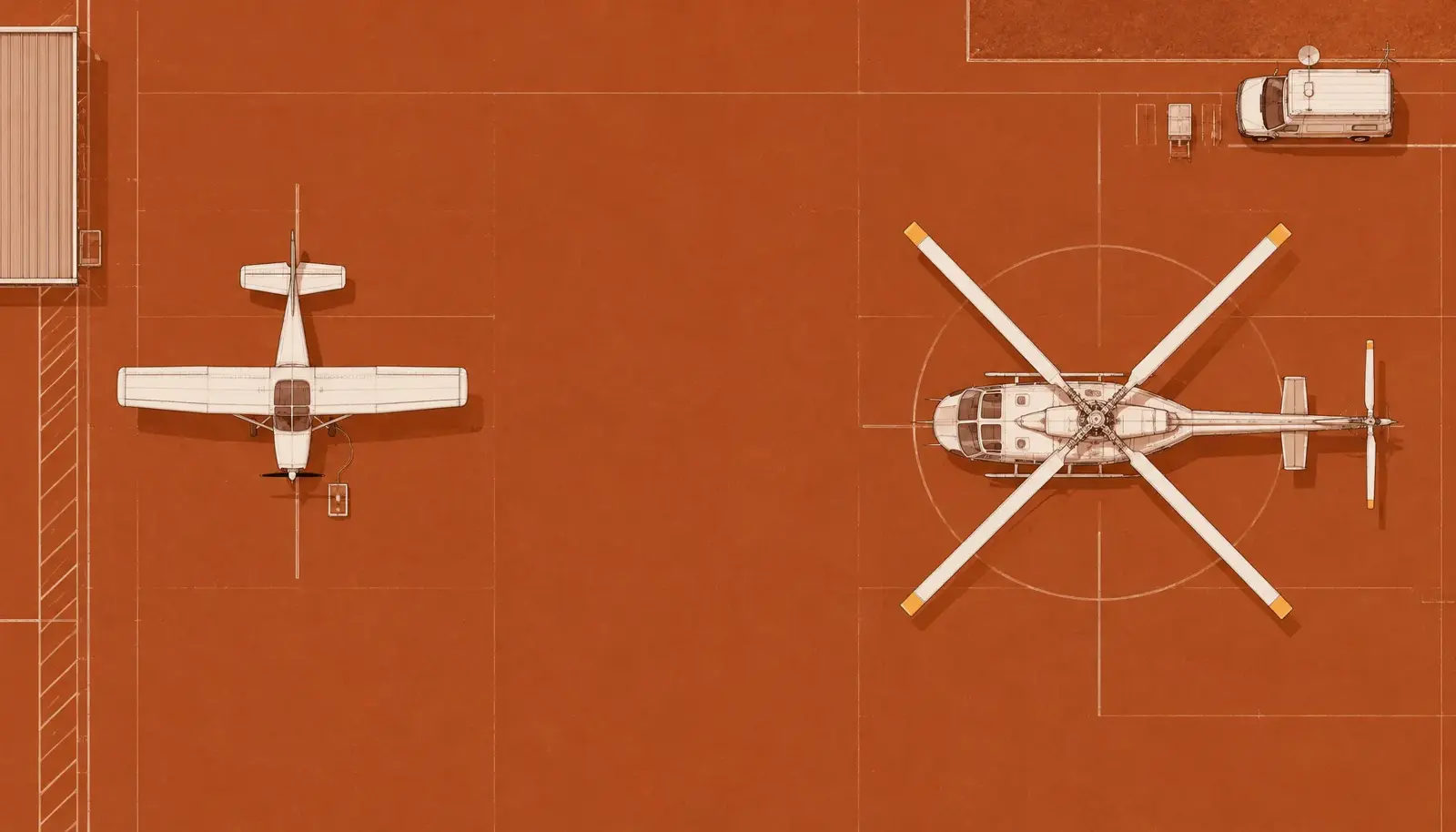
Ribbit says an autonomous Cessna 150, an NRC Bell 412EP and virtual drones completed a mock search-and-rescue mission near Ottawa in May 2026. Safety pilots were aboard both aircraft, with one mission commander directing the assets.
“By combining research with technology, we successfully demonstrated autonomous aircraft working together toward a shared mission.”
Derek Gowanlock, Program Director for Aurora Shield, National Research Council of Canada
One commander directs three kinds of aircraft
Ribbit says an autonomous Cessna 150, a National Research Council of Canada (NRC) Bell 412EP helicopter and multiple virtual drones carried out a mock search-and-rescue mission near Ottawa in May 2026. The company announced the exercise on October 27. It describes the trial as the first time a helicopter, airplane and virtual aircraft achieved a shared goal through mission and platform autonomy under one human commander.
The Cessna searched for a simulated missing person, changing its flight plan as the aircraft shared a common operating picture. After the person was located, the helicopter simulated a casualty evacuation while the airplane remained overhead to provide situational awareness. Virtual drones also joined the search, though the release does not describe them as physical aircraft taking part in the flight.
Safety pilots remained aboard both aircraft
The mission used autonomous flight, but neither full-size aircraft flew without a person on board: safety pilots were present in both the Cessna and the Bell 412EP. A single mission commander controlled all participating assets, according to Ribbit. The announcement does not specify how the commander issued instructions, what decisions the onboard pilots could make, or what procedures would apply if an aircraft departed from its planned behavior.
Those distinctions matter to the demonstration’s scope. It tested coordination across a fixed-wing airplane, a helicopter and virtual aircraft during a simulated rescue, rather than a pilotless operational response to a real emergency. Ribbit did not publish flight distances, timings, system-performance measurements or details of the communication links used in the exercise.
Ribbit and the NRC combine separate autonomy work
The exercise joined Ribbit’s work on fixed-wing autonomy with the NRC’s rotary-wing capabilities through the council’s Drone Innovation Hub. Ribbit says the two organizations have worked together for more than three years, testing its autonomous technology for missions spanning public safety, tactical aviation and joint operations. The release presents the trial as a result of that government-industry collaboration.
Gowanlock, speaking for the NRC, said the demonstration combined research and technology to make autonomous aircraft work toward a shared mission. Ribbit CEO Carl Pigeon also praised the coordination between government and industry and said he looked forward to further work with the NRC and Canada’s Department of National Defence and Canadian Armed Forces. The release provides no timetable for follow-on trials or plans to use the system in operational rescue work.
A coordinated test, not a fielded rescue service
The most concrete result is the division of labor: the airplane searched and kept watch, while the helicopter handled the simulated evacuation, with one commander directing the assets. That arrangement could reduce the number of people needed to coordinate separate aircraft, but the announcement offers no staffing comparison or evidence of performance in a live rescue. Its first-of-its-kind characterization is Ribbit’s claim; the release supplies no independent comparison with other demonstrations.
For now, the trial shows that autonomous aircraft of different types can be tasked toward one simulated objective while safety pilots remain aboard. The Cessna, Bell 412EP and virtual drones completed that exercise near Ottawa in May.
Sources
- Original source · Press release PR Newswire prnewswire.com