The Floor
Ultra Raises $62 Million to Expand Its Warehouse Robot Service
Brooklyn-based Ultra raised $62 million, including a $50 million Series A led by Framework Ventures, to grow its warehouse robotics business. The company leases robots to warehouses and is deepening its partnership with Physical Intelligence, which supplies AI for its machines.
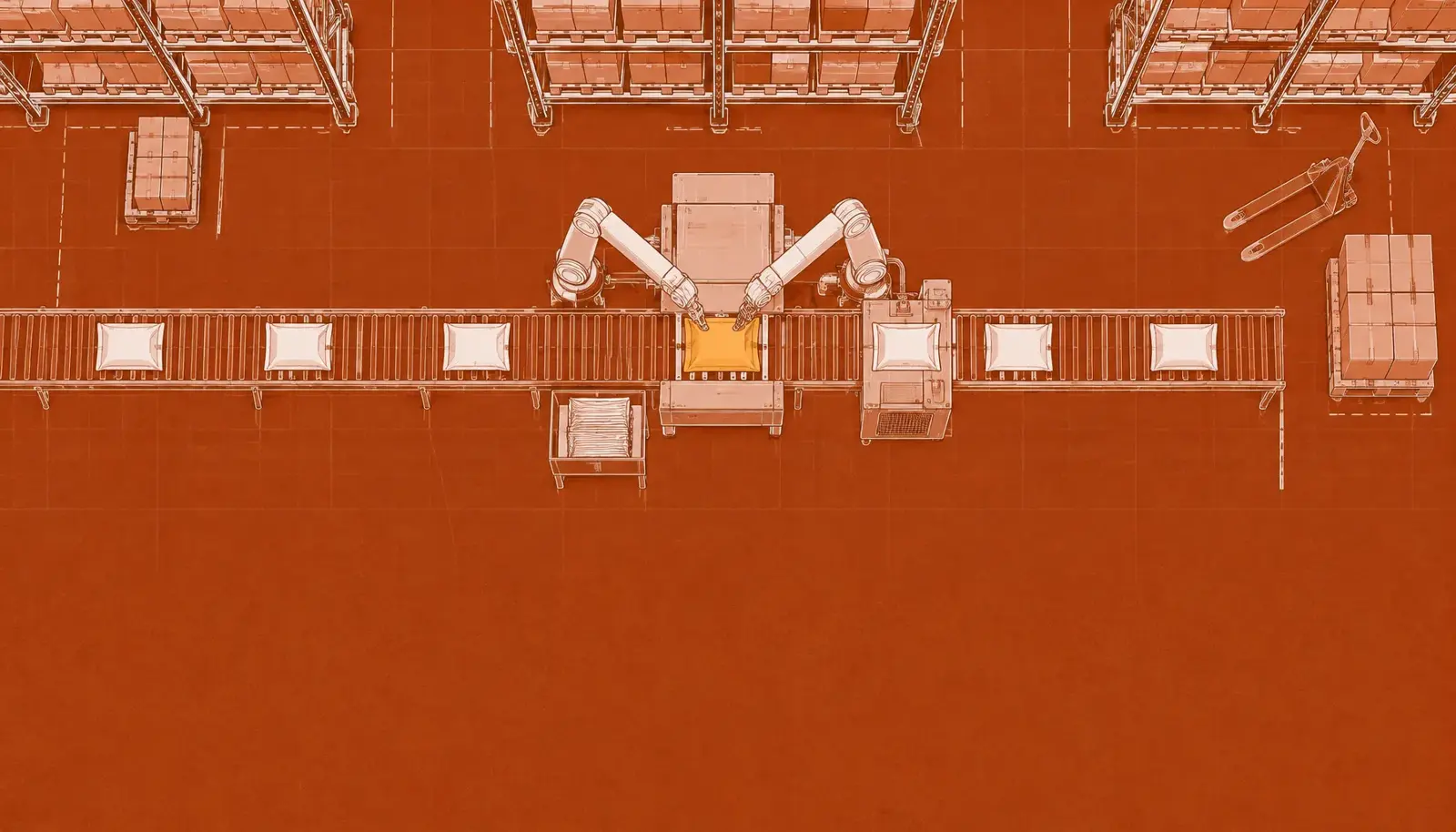
$50 million is the new round; $62 million is the total
Ultra announced a $50 million Series A on October 9, led by Framework Ventures with participation from Y Combinator. An earlier $12 million seed round, led by Y Combinator and Next View, brings the company’s reported funding to $62 million. The Brooklyn startup says the capital will support a business built around putting warehouse robots into customer operations, rather than selling machines outright.
Source fortune.com
The distinction matters: $62 million is Ultra’s cumulative funding, not the size of its Series A. The financing backs a service model in which customers pay an initial installation fee and then a monthly charge for hardware and software support. Ultra did not disclose revenue, and its CEO, Jon Miller Schwartz, gave no figure for the company’s sales in Fortune’s report.
Customers pay to use the robots, not own them
Ultra’s robots work at third-party logistics sites, where the company installs machines that pack goods for shipping. The business pitch is to reduce the upfront capital customers would otherwise need to buy automation equipment. Instead, Ultra handles installation and ongoing support as part of a recurring service arrangement.
Schwartz told Fortune that the model has gained enough traction for Ultra to raise prices, though the report gives no pricing, contract, or customer-count figures. The company said its robots had packed more than 500,000 orders across warehouses. That usage total offers a measure of activity, but it does not reveal how many robots are deployed, how much each processes, or what share of a customer’s work they handle.
Physical Intelligence supplies the AI
Ultra is also deepening its partnership with Physical Intelligence, which supplies the AI used by its robots. Ultra builds and installs the machines; Physical Intelligence provides software intended to let them learn and adapt to the setup at individual customer sites. The arrangement separates the robot hardware and deployment work from development of the AI models.
That division gives Ultra a way to focus on warehouse integration while Physical Intelligence gets exposure to robots operating in customer environments. Fortune reported that Physical Intelligence was valued at $5.6 billion, but the funding announcement did not disclose terms for the Ultra partnership or specify how the companies will share operational data. It also did not say how much of the new financing Ultra will devote to fleet growth, manufacturing, or software.
Order volume is not the same as deployment scale
Ultra’s half-million-order figure is the clearest operating measure attached to the funding announcement, while the company’s revenue and fleet size remain undisclosed. The service model can lower a customer’s initial equipment outlay, but recurring fees still need to make sense against the labor and operating costs of each warehouse workflow. The announcement provides no customer-level economics with which to assess that comparison.
The partnership also leaves practical questions unanswered: how consistently the AI performs across different goods and warehouse setups, and how much human oversight each installation requires. For now, Ultra’s public evidence is a reported order count, a subscription-style commercial model and a $50 million Series A. The total funding figure includes the earlier $12 million seed.
Sources
- Original source Fortune fortune.com
Other pages read
- Ultra Robotics ultra.tech
Related stories
- Physical Intelligence Opens Pi API Beta for Robot Models
- Robust AI Carter robots are working alongside warehouse staff
- Coding Agents Find a Faster Warehouse-Routing Algorithm in Simulation
- GXO and Apptronik plan up to 1,000 Apollo robots, subject to results
- Multiply Labs Raises $75 Million for Drug-Manufacturing Robots