The Floor
NASA announces Moon Base awards and mission updates
NASA announced a suite of awards and mission updates for commercial robotic deliveries, a nuclear-powered lunar rover, launch and orbital transfer services, and surface infrastructure. The investments include PROMISE, a six-wheeled rover targeted for launch in late 2028, and approximately $1.3 billion in combined launch and transportation task orders.
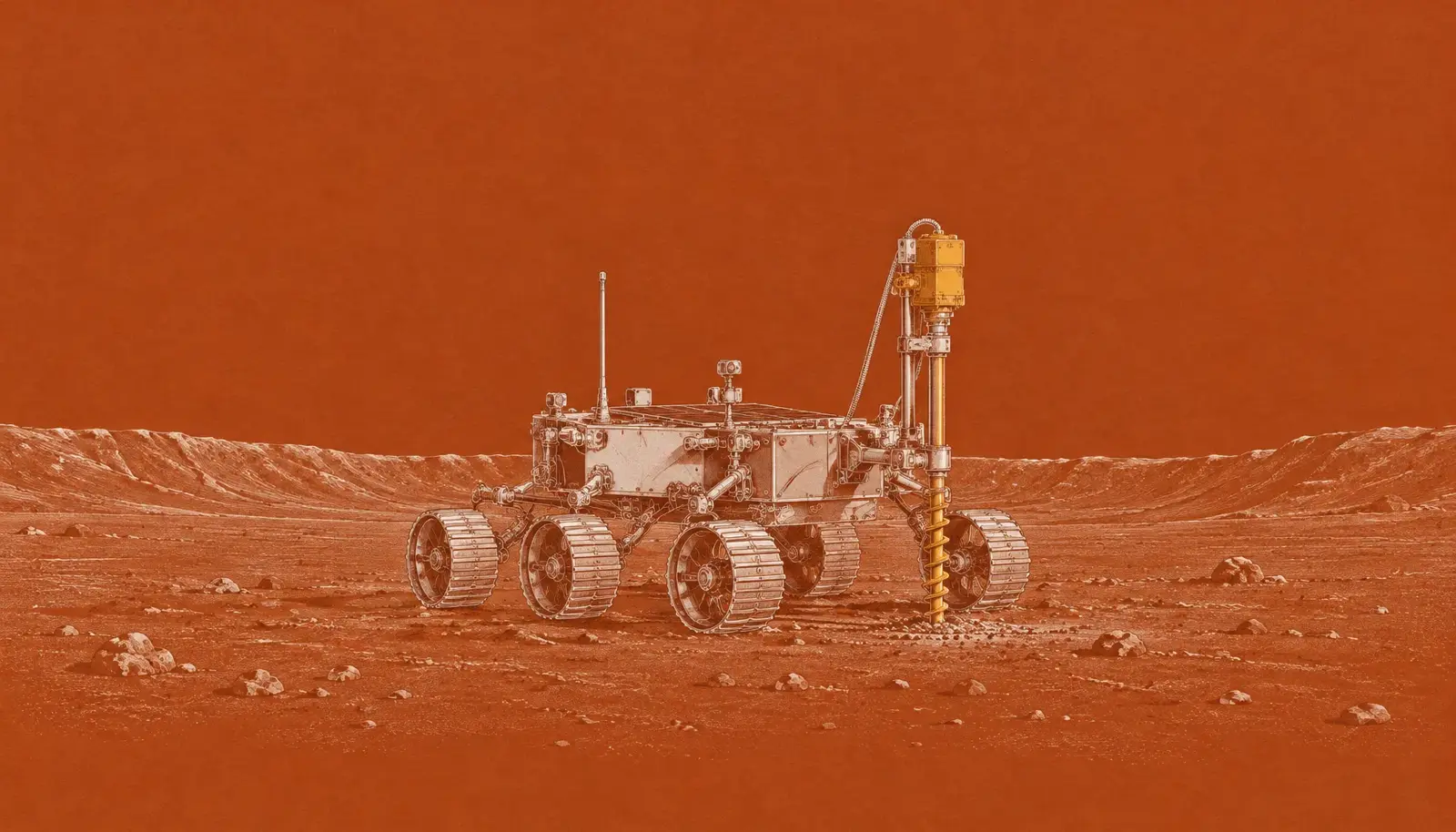
The nuclear-powered PROMISE rover can operate during long lunar nights and within permanently shadowed regions, while NASA’s Moon Base plans include cargo deliveries from Earth to the lunar surface. On Saturday, NASA announced awards and mission updates covering commercial robotic deliveries, the rover, launch and orbital transfer services, and surface infrastructure. The agency shared the news at the MAX POWER aerospace expo and air show at NASA’s Kennedy Space Center in Florida.
“We are building the Moon Base mission by mission,” NASA Administrator Jared Isaacman said. The awards span commercial delivery services, a nuclear-powered rover, transport demonstrations and components for a communications and power tower.
NASA selected eight companies for the next CLPS phase
NASA selected Blue Origin, Firefly Aerospace, Intuitive Machines, ispace-U.S., Lockheed Martin Space, Northrop Grumman Space Systems, SpaceX and Voyager Technologies for the next phase of its CLPS (Commercial Lunar Payload Services) initiative. Under the CLPS 2 framework, the companies are eligible to compete for missions to manage, build and operate landers carrying NASA science, technology and infrastructure payloads to the Moon.
CLPS 2 is a 10-year, multiple-award, indefinite-delivery/indefinite-quantity contract with a combined maximum value of $10 billion. NASA also increased the value of its current CLPS 1.0 contract from $2.6 billion to $4.2 billion to support initial Phase One Moon Base objectives. The original CLPS contract will remain in place through November 2028, with an additional five-year period to complete awarded lunar deliveries through November 2033.
PROMISE will use Mars rover components and engineering test models
The six-wheeled PROMISE rover will land at the Moon’s South Pole to characterize the surface and subsurface, assess resource potential and provide data to enable landing site selection and future infrastructure and exploration activities. The nuclear-powered rover can operate during long lunar nights and within permanently shadowed regions thought to harbor ice.
NASA’s Jet Propulsion Laboratory in Southern California, a division of Caltech, will manage the mission and build the rover using a combination of spare flight components and engineering test models for NASA’s Curiosity and Perseverance Mars rovers. PROMISE will carry a drill to extract regolith, or lunar dust, to characterize ice and other resources from approximately 3 feet (1 meter) below the surface, along with spectrometers, temperature and radiation sensors, and visible-light cameras. It will also demonstrate NASA’s High Performance Spaceflight Computing system and advanced autonomy sensors and algorithms.
NASA is targeting late 2028 to launch PROMISE and planning an 18-month mission for the rover. The agency awarded Blue Origin a $94 million base contract, with an option period worth an additional $140 million based on performance, to deliver PROMISE to the lunar South Pole. Blue Origin will use its Mark 1 lander to deliver and deploy the rover as part of the Moon Base’s first phase.
NASA awarded six task orders for launches and orbital transfer
NASA awarded six task orders under its Venture-Class Acquisition of Dedicated and Rideshare (VADR) launch services contract to Arrow Science and Technology, Blue Origin and Impulse Space. The orders, worth approximately $1.3 billion combined, cover Moon Base cargo integration and transport.
The first mission type will include delivery of the CAPSTONE 02 spacecraft to deep space to test proximity maneuvers, navigation and communications around the Moon. Another mission category will include the agency’s MoonFall drones, designed to scout areas beyond the reach of traditional rovers, as well as delivery of additional Moon Base assets. A third mission type will test navigation technologies and demonstrate commercial orbital transfer capabilities in multiple cislunar orbits.
Some missions will launch aboard Blue Origin’s New Glenn, Relativity Space’s Terran R and SpaceX’s Falcon 9. Blue Origin, Firefly Aerospace, Impulse Space and Quantum Space will provide in-space transportation spacecraft for the missions. Separately, NASA selected SpaceX for the Cislunar Communications Deployment Demonstration under an existing lunar logistics contract. Through a Specialized Delivery Mission task order, SpaceX will launch communications satellites to cislunar space aboard a Starship in 2028.
miniCAST’s initial effort will involve separate components
NASA awarded Honeybee Robotics, a Blue Origin company, for energy storage capability for a Mini-Communications and Solar Tower, or miniCAST. Redwire will provide power generation, and Yank Technologies, Inc., will provide wireless power transfer. NASA’s Marshall Space Flight Center will assemble and test the systems before they are delivered to the lunar surface.
NASA expects work to begin within months, and the initial effort will involve components rather than a major integrated system. The agency also plans a separate solicitation for fully integrated power systems, anticipated in early 2027. NASA intends to release a directed call under its Next Space Technologies for Exploration Partnerships, or NextSTEP-3 B, solicitation to help close architecture-driven, high-priority data gaps for Moon Base development; the effort could include small spacecraft missions, payloads on future Moon Base flights or the purchase of data collected by commercial partners.
Sources
- Original source · Government or agency page NASA nasa.gov
Related stories
- NASA Selects Momentus to Formulate a Robotic Resupply Mission
- NASA and Google Test a Deep-Space Medical-Support Robot
- NASA Runs Dragonfly Through Its First Full Simulated Flight
- Arduino introduces RouterBridge_ROS for bringing board I/O into ROS 2
- CMU’s Team Chiron Competes in DARPA Triage Challenge Finals