The Floor
NASA Selects Momentus to Formulate a Robotic Resupply Mission
NASA has awarded Momentus a task order to develop a design for resupplying its Fly Foundational Robots spacecraft. The company is one of two teams competing for a later contract to fly the mission.
“This task order provides an opportunity for Momentus to demonstrate its capabilities in orbital transportation, spacecraft operations, and rendezvous mission design,”
John Rood, Chief Executive Officer at Momentus
Momentus gets a design role, not the flight
NASA has awarded Momentus a task order to formulate a resupply mission for its Fly Foundational Robots (FFR) program. The October 22 announcement makes the San Jose space company one of two participants developing concepts for the first FFR resupply flight. NASA plans to choose one of them for a later implementation phase, so Momentus has not yet won a contract to build or fly the mission.
The formulation work covers the mission’s concept of operations, technical interfaces and system design. NASA’s federal award record lists $179,768 for the Momentus task order, with a September 17 start date and a November 5 current end date. The company’s announcement does not state the contract value.
A cargo vehicle would meet FFR in orbit
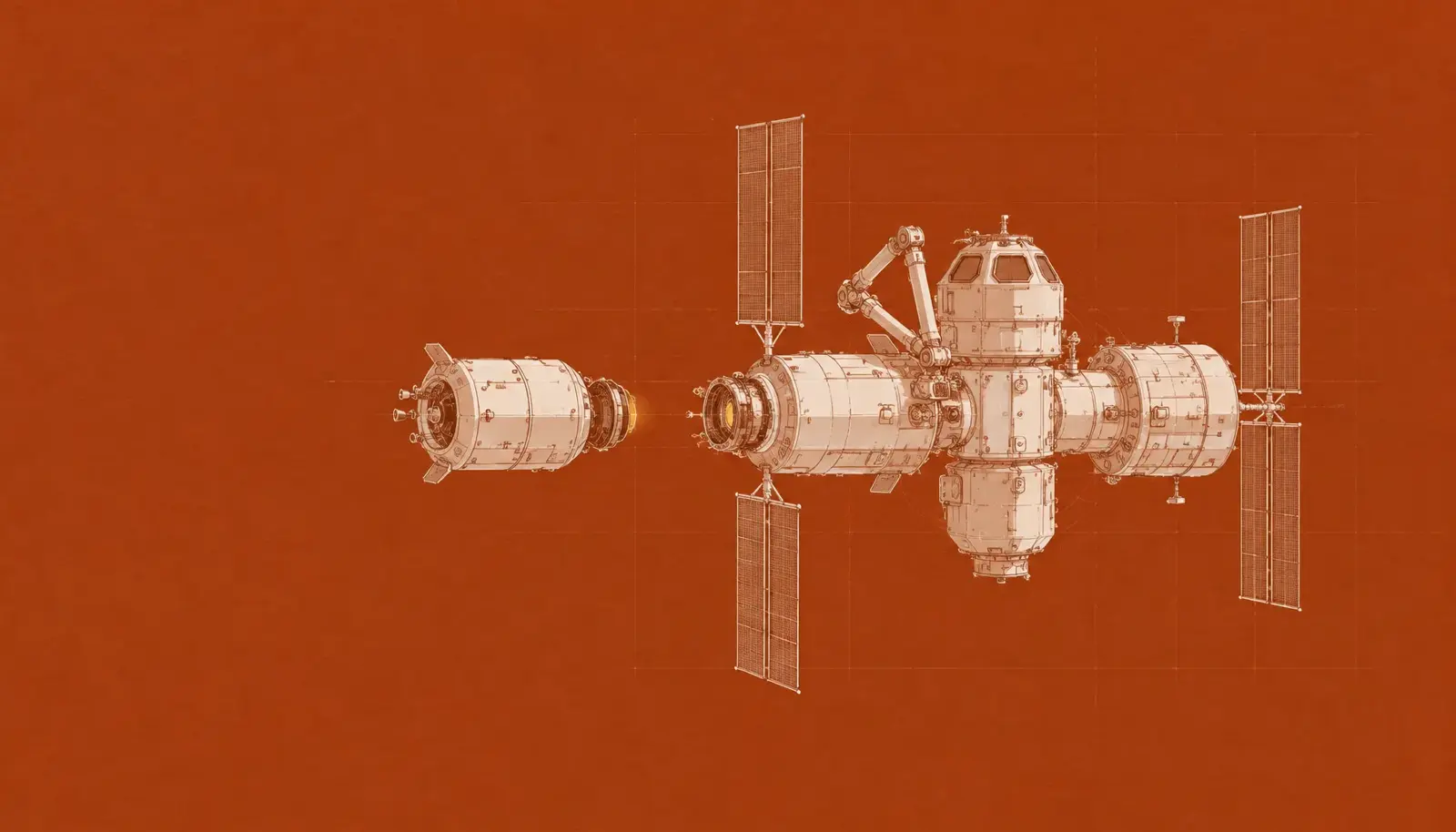
In the architecture Momentus is evaluating, a dedicated spacecraft carries a pallet of payloads developed through NASA’s TechLeap Prize Robotically Manipulated Payload Challenge. After reaching orbit, the resupply vehicle would maneuver to the FFR spacecraft, perform rendezvous and proximity operations, and dock. FFR’s robotic arm would then transfer the payloads from the visiting vehicle to the host platform.
The proposed work goes beyond delivering cargo. Momentus says the mission architecture could also test transferring orbital hardware between spacecraft and reusing robotic infrastructure already deployed in orbit. Those activities depend on the delivery craft and the host platform working together: the vehicle must approach and dock, while the arm handles payload transfer after arrival.
FFR’s arm is designed for orbital manipulation
NASA describes FFR as a technology demonstration built around a commercial robotic arm in low Earth orbit. The arm is intended to manipulate components on the spacecraft and support demonstrations of robotic servicing. The FFR mission is scheduled for launch in late 2027, according to NASA.
NASA announced three winners of the Robotically Manipulated Payload Challenge on October 2, each eligible for up to $500,000 to develop a flight-ready payload. NASA expects those payloads to travel on an orbital spacecraft that rendezvouses with FFR; the challenge page puts their planned launch in early 2028. That timing places the resupply concept after FFR’s own arrival in orbit.
The next decision is NASA’s flight selection
Momentus’s task order pays for mission formulation, not a commitment to launch. The company and the other selected participant will develop competing plans, after which NASA intends to advance one into implementation. The October 22 award therefore establishes a design competition around how the payloads reach FFR and meet its robotic platform—not which company will ultimately fly them.
For Momentus, the concept draws on orbital transportation and rendezvous operations, capabilities the company says it offers through its Vigoride service vehicle. NASA’s selection will determine whether those services become part of this resupply mission. For now, the defined work is to deliver a mission concept, interface plan and system design before the task order’s listed November 5 end date.
Sources
- Original source · Press release Momentus Inc. investors.momentus.space
Other pages read